

Listen to the full podcast episode on YouTube, Spotify, and Apple Podcasts.
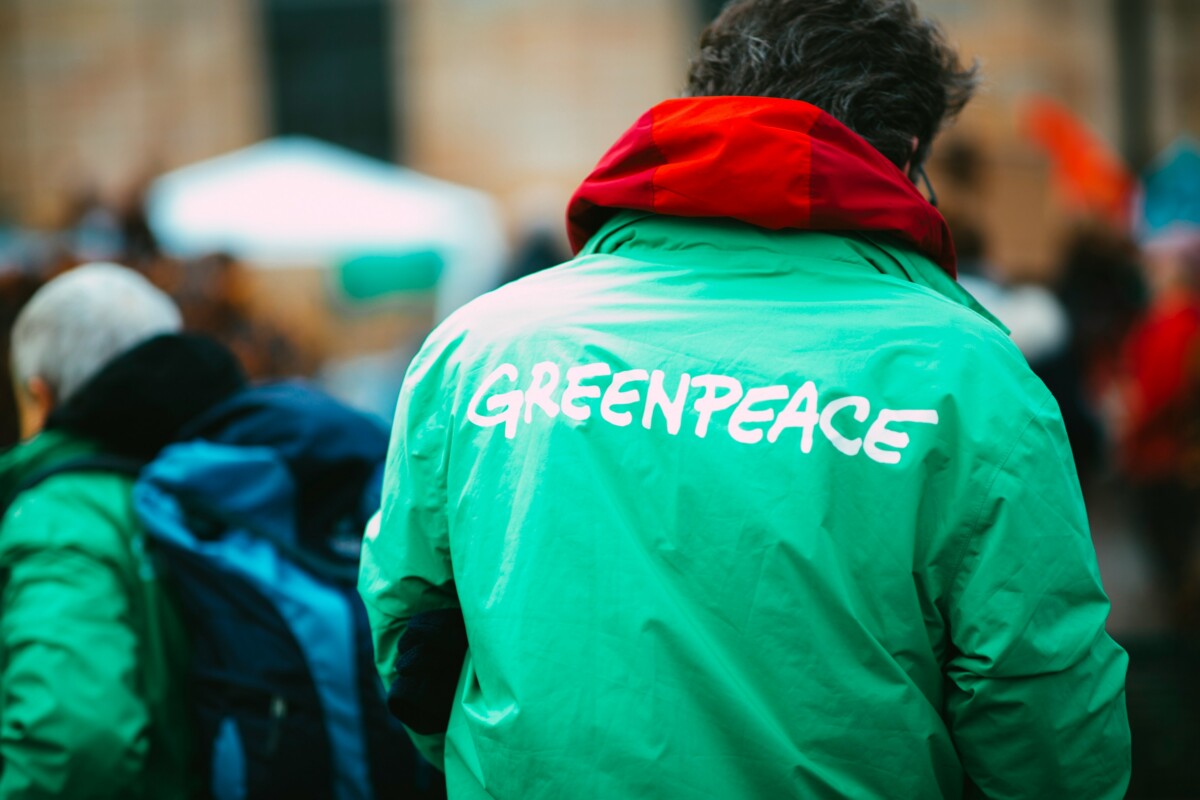
The IOC Took Eni’s Money. Greenpeace Called It Absurd.
Markets work when prices tell the truth. In the case of fossil fuels, they do not. Eni, the Italian oil and gas company, sponsored the 2026 Winter Olympics in Milan and Cortina d’Ampezzo. Greenpeace called it absurd. It was also, from a purely economic standpoint, entirely rational.
Eni’s products contribute to the warming that is shortening the Alpine ski season and threatening the long-term viability of winter sport. None of that cost appeared on Eni’s balance sheet. The IOC received a sponsor. Eni received credibility. The glacier continued to retreat.
The arrangement held because the price signal that would have made it unsustainable did not exist.
This is not primarily a story about corporate hypocrisy. It is a story about what happens when externalities go unpriced. The companies that build alternatives to the status quo compete on a tilted field. The companies that created the problem do not pay for it.
A Decade in China and the End of Landfill Space
Manuela Zoninsein spent nearly a decade in China between 2007 and 2015. She arrived as a Newsweek reporter, stayed to study Mandarin at universities in Taiwan and Beijing, and built an agricultural analytics firm tracking China’s agritech market for foreign investors. She watched, over those years, a country of one and a half billion people make the transition from reuse to single use at a speed and scale that settled a question she had not quite known she was asking.
“Anything that happens in China, one point five billion people jump,” she said. “You understand the impact.”
The landfill space ran out. The conclusion she drew was structural, not moral. Single use does not work at scale. She went on to study at Oxford and MIT, work at Palantir across four international markets, and co-found an agricultural marketplace in Brazil. The common thread, visible only in retrospect, was a repeated encounter with what happens when convenience is optimised and consequence is externalised.
Bike Sharing, Bottle Returns, and the Infrastructure Nobody Built
Two further observations shaped what became Kadeya. Watching New York build out its bike-sharing network, Manuela asked why the model worked. The answer was ownership economics. People do not want to maintain a bike, store it, or file a police report when it is stolen. They want mobility. Bike sharing sells the outcome rather than the asset.
The analogy to beverages was direct. At MIT business school she began asking why bottle return rates were assumed to be low. The consensus answer was behavioural: Americans were disinclined to return bottles. Her counter was infrastructural.
“If you create enough density, if you have enough points for pickup and drop off, actually you can get ninety-nine percent return rates with no penalty or deposit.”
The deeper error, she concluded, was methodological. Reuse had always been benchmarked against single use as currently designed, rather than asked what it could achieve if engineered to match single-use convenience. The former comparison always favours the incumbent. The latter is a different question entirely.
A Dishwasher, a Soda Fountain, and a Ninety-Nine Percent Return Rate
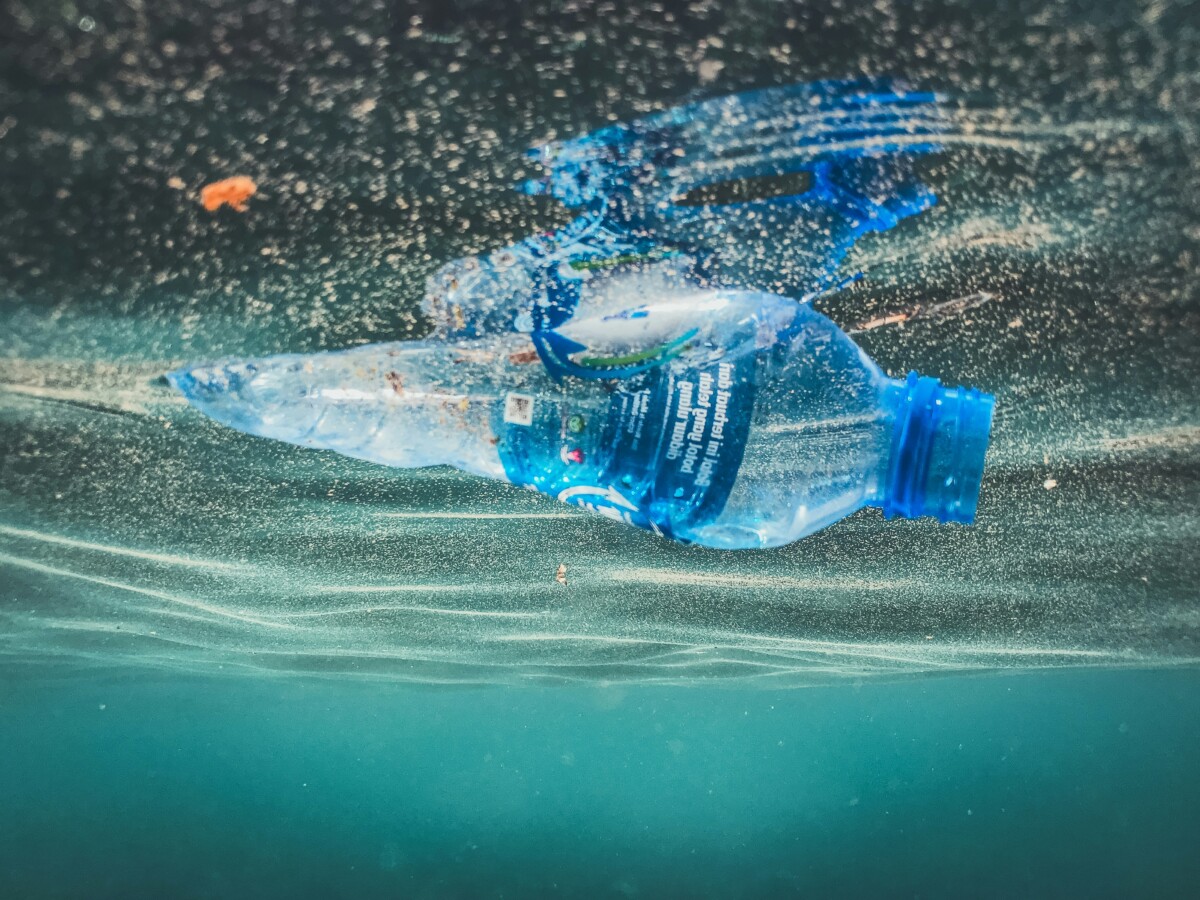
Kadeya’s answer is a bottling plant inside a vending machine footprint. Stainless steel bottles are dispensed, returned, inspected by machine learning, washed, sanitised, and refilled on-site. No plastic. No deposit. No supply chain shipping water around the planet.
“We did not invent a single new thing,” Manuela said. “We just recombined existing technologies in a novel fashion.”
The numbers are notable. Across five commercial deployments the return rate has held at ninety-nine percent. Carbon footprint runs seventy-five percent below single use. Employer costs are a third lower. Consumer price is at parity today. The company has turned down exclusivity offers from major beverage firms to keep the network open.
Kadeya targets workplaces where hydration is operationally critical and workers are mobile: construction sites, military bases, refineries, fulfilment centres. Manuela calls it the liquid railroad, beverage infrastructure built on existing tap networks rather than against them. The economic logic is designed to hold without a carbon price. That, for now, is a necessity rather than a choice.
The Additionality Problem and Why Carbon Credits Risk Becoming Indulgences
The Eni case and the Kadeya model represent opposite ends of the same market failure. Eni sponsored a climate-threatened event because its emissions were unpriced. Single use dominates because the cost of plastic waste is unpriced. In a world where those costs appeared in market prices, both propositions would look different.
Manuela’s answer to the magic wand question is a free and open carbon market. Get the price right and the economics of every commercial activity reset. Kadeya’s advantage widens. Eni’s position becomes harder to sustain.
The obstacles are well known. Additionality, establishing that a protected forest would not have been protected in any case, is difficult to prove credibly. Voluntary markets cover a fraction of total emissions. And there is an older problem that she identifies with precision: credits risk functioning like medieval indulgences. The polluter with the deepest pockets buys the right to continue.
“How do you create a cap? How do you really say that you’ve got the full market under consideration? And then how do you ensure that it is being consistently applied and measured? I don’t know that you can.”
The carbon market, in its current form, is not solving the pricing problem. It is deferring it.
When the Richest People in History Do Not Price In the Consequences
There is a political economy argument running beneath the packaging and carbon questions. Manuela makes it directly. The most powerful figures in business and government are, in her reading, pursuing strategies that shrink the markets on which their own wealth depends. A race to the bottom generates less aggregate demand, not more. A hollowed-out middle class buys less.
Her observation about the CEO of Salesforce carries the point efficiently. A prominent climate and DEI position, held publicly for years, has been quietly abandoned as political conditions shifted. The commitment was priced at the prevailing rate of reputational risk. When that rate fell, so did the commitment.
Kadeya’s commercial model is not constructed on reputational risk. It is constructed on cost, convenience, and return rates.
The bet is that a business case built on operational advantage rather than goodwill holds across political cycles.
Whether a functioning carbon market arrives to reprice the competition before those cycles exhaust the window for structural change is, for now, the open question.
Sponsored by...
truMRK: Marketing and Communications You Can Trust
👉 Learn how truMRK helps organisations strengthen the credibility of their marketing and communications.
Want to be a guest on our show?
Contact Us.
The Responsible Edge Podcast
Queensgate House
48 Queen Street
Exeter
Devon
EX4 3SR
Join 2,500+ Leaders.
Exploring how to build trust, lead responsibly, and grow with integrity. Get the latest episodes and exclusive insights direct to your inbox.
© 2026. The Responsible Edge Podcast. All rights reserved. The Responsible Edge Podcast® is a registered trademark.
Sponsored by truMRK
© 2026. The Responsible Edge Podcast