

Listen to the full podcast episode on YouTube, Spotify, and Apple Podcasts.
Oxford Named It. That Should Tell You Something.
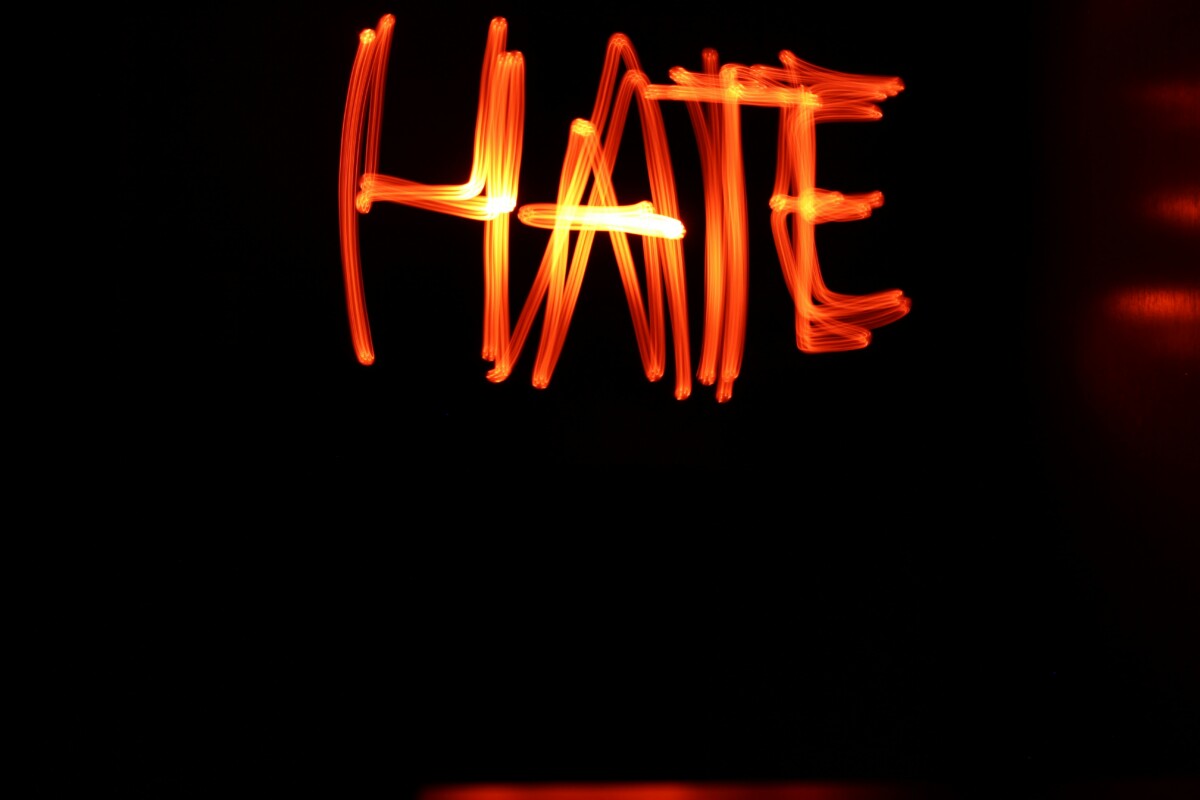
It is not often that a marketing tactic gets named word of the year by Oxford University Press. Rage bait did it in 2025, with usage tripling in twelve months.
If you have spent any time on social media recently, the reason will not surprise you. Algorithms reward every reaction, angry or not. People respond more strongly to negative content than to positive content. That angry comment gets typed a lot faster than the measured one. Outrage travels. Brands have noticed.
“Rage and anger has always been one of the most potent responses,” said Chris Pratt. What has changed, he argues, is the scale. “It’s just been turbocharged by the information context that we now exist in.”
A 2026 CBS International Business School article on the subject notes that not every case is deliberate. Swatch’s 2025 campaign featuring a gesture widely condemned as racist was a misstep, not a strategy. And some outrage is not even real. When Cracker Barrel unveiled a new logo last summer, analytics firm PeakMetrics found that roughly 44.5 percent of critical posts within the first twenty-four hours were likely bots. The company pulled the logo anyway.
Twenty-Five Years in the Room
Chris Pratt is the former Group Managing Director at Burson and Chair of the PRCA Climate Advisory Board. He has spent over twenty years advising organisations on sustainability communications and energy policy.
He was not surprised by the CBS article. He was troubled by something it did not quite get to.
The Brand Damage Is Real. The Bigger Problem Is Elsewhere.
The CBS article reports that customer loyalty can drop by nearly forty percent within three months of a rage bait episode. That is a meaningful number. But it is not what concerns Chris most.
“My bigger concern in a way, if I’m honest,” he said, is what rage bait is doing to public discourse more broadly.
Climate change is his example. Most people accept the science. Most support action. But the platforms amplify the extremes.
“The discourse on these platforms just gets pushed to the fringes so that you get at either end really rather more marginal perspectives, and that tends to take a disproportionate share of voice in the forums that people trust.”
The policy effects are not hypothetical. He points to Reform attacking net zero in the UK and to Conservative manifesto discussions about abandoning climate commitments. Between algorithmically-amplified fringe content and actual policy, the distance is shorter than it looks.
A PRCA Finding That Should Worry Communicators
Chris raises a recent PRCA state of the industry report. Communicators, it found, are increasingly reluctant to attach their brands to causes because the polarised environment feels too risky.
He does not find that reassuring. “That is a great shame. When companies authentically participate in issues that matter to society, that matter to their audiences, that is a good thing.”
His position on greenhushing is plain. “I don’t think the answer is greenhushing.”
Retreating carries its own risks, and in his view those risks are greater than the discomfort of staying in the conversation. The solution is not courage for its own sake, just clarity about what a brand authentically stands for.
“That to me is just fairly common sense when it comes to thinking about the causes, the things that your organisation stands for.”
The Algorithm Would Be His Magic Wand
LinkedIn adjusted its algorithm in 2025 and 2026 to downrank outrage-driven content, measuring posts by how long people actually read them. A sensible move, Chris thinks, reflecting the particular character of a professional platform. TikTok operates on different principles, serving content mostly from accounts users do not follow, which rewards whatever grabs attention in the first two seconds.
He is old enough, he notes, to remember when social media worked differently. His magic wand would take it back there.
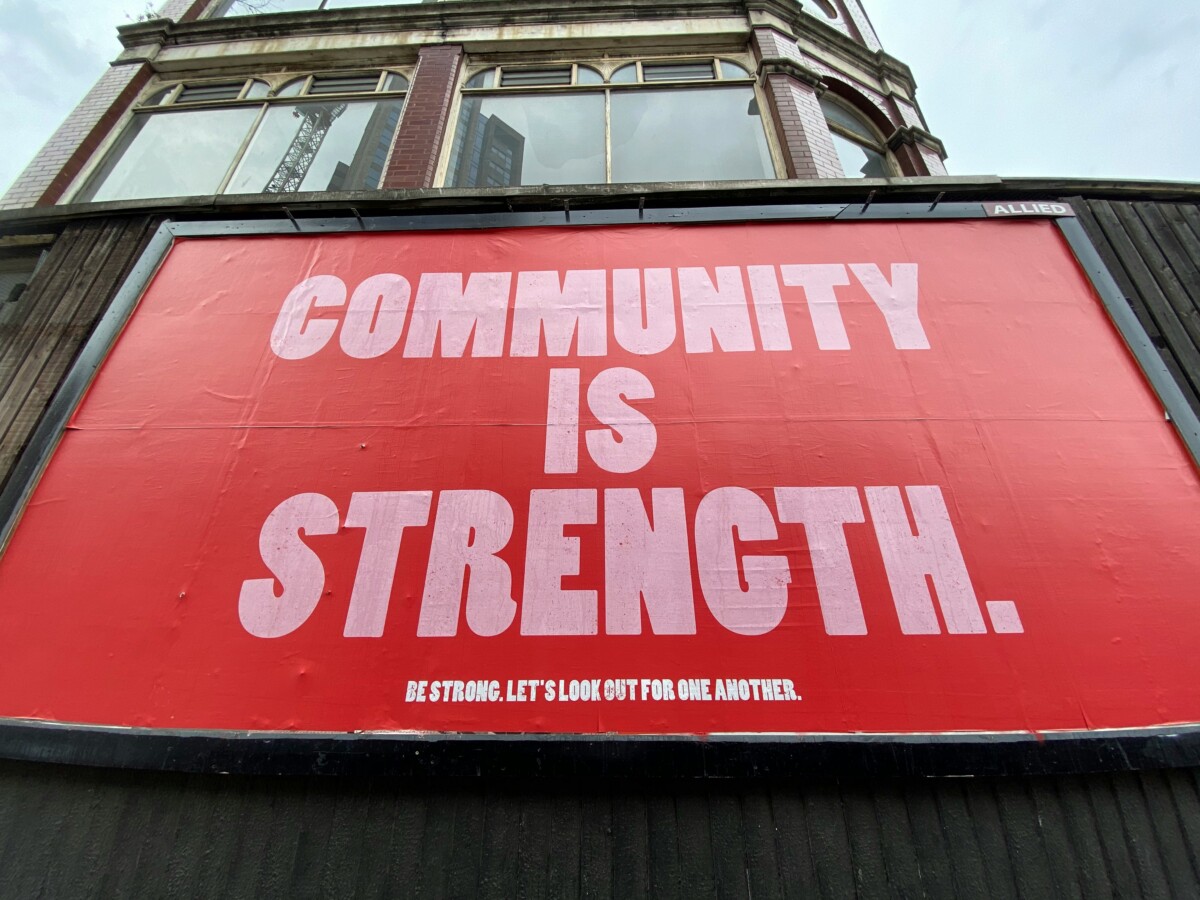
“I would love it if actually the algorithms returned us to a state of affairs that was a little bit more like that. It was rather nice to have social media networks that enhanced my sense of community rather than detracted from it.”
He notes that attempts have been made. Bluesky launched partly as a response to the changes at Twitter, selling itself on a return to an earlier kind of discourse. Whether any of them have fully cracked it, he is not sure. But he points to something else: even the youngest generations are looking back nostalgically at simpler eras, in fashion, in cameras, in technology.
“That speaks to a part of the human condition that is not happy with the status quo and that wants something different.”
Sponsored by...
truMRK: Marketing and Communications You Can Trust
👉 Learn how truMRK helps organisations strengthen the credibility of their marketing and communications.
Want to be a guest on our show?
Contact Us.
The Responsible Edge Podcast
Queensgate House
48 Queen Street
Exeter
Devon
EX4 3SR
Join 2,500+ Subscribers.
New episodes exploring responsible marketing, reporting and communications, straight to your inbox.
© 2026. The Responsible Edge Podcast. All rights reserved. The Responsible Edge Podcast® is a registered trademark.
Sponsored by truMRK
© 2026. The Responsible Edge Podcast