From Protest to Progress: Jamie Klingler’s Fight for Women’s Safety and Police Reform

Episode 55 | 16.12.2024

From Protest to Progress: Jamie Klingler’s Fight for Women’s Safety and Police Reform

Jamie Klingler, activist, co-founder of Reclaim These Streets, and a national campaigner for women’s safety, has carved a distinct space in the fight for equality and reform. Speaking on The Responsible Edge podcast, Jamie shared her remarkable journey from a career in media and events to becoming a pivotal figure in the women’s safety movement.

Listen to the full podcast episode on YouTube, Spotify, and Apple Podcasts.

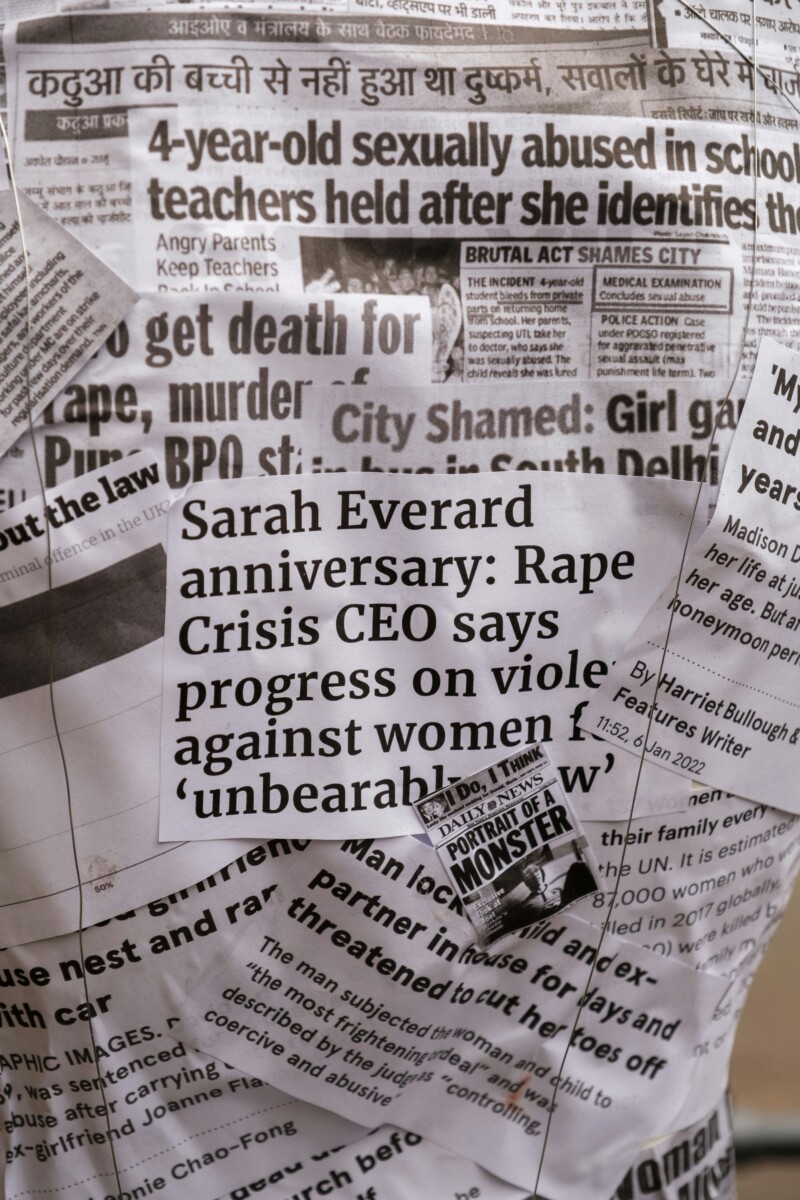
A Catalyst for Change: The Sarah Everard Vigil

Jamie’s activism was ignited during the pandemic, a time when societal pressures and injustices became painfully magnified. The tragic murder of Sarah Everard was a tipping point. Jamie reflected;

“How small does my life have to become to make it still worth living? Am I not supposed to get deliveries because most of the delivery drivers are men? Am I not supposed to take taxis?”

In a moment of profound anger and sadness, Jamie tweeted about organising a vigil for Sarah. That single tweet catalysed the birth of Reclaim These Streets. However, what began as a call for solidarity quickly turned into a legal battle when the Metropolitan Police deemed the vigil illegal under COVID-19 restrictions. Jamie recounted, “The arrogance and the antagonistic stance of the police created a monster in me. They activated me.”

Despite opposition, Jamie and her co-organisers raised £45,000 overnight to cover legal fees and took their fight to the High Court. Although the vigil was ultimately disrupted, Jamie’s resolve only strengthened.

“If you don’t let someone like me, a white, middle-class female, protest, who are you going to let protest?”

She asked, framing the broader implications of police overreach.


A Voice for the Voiceless

One of Jamie’s most striking realisations was her ability to amplify the voices of others without being hindered by personal trauma.

“I can be the fighting warrior for victims without it being as damaging to me individually.”

This clarity allowed her to channel her energy into high-impact advocacy, leveraging her media experience to highlight systemic issues. Jamie’s tireless efforts included meeting with politicians, confronting police leaders, and speaking to international media outlets.

Her activism has also brought to light the inadequacies of existing systems, particularly regarding police accountability. “Only one in ten police officers found guilty of gross misconduct lose their jobs,” Jamie shared. “If there’s no hunger for reform, they just want it off the front pages. They have no intention of fixing it.”


The Broader Mission: Women’s Safety and Workplace Reform

Beyond Reclaim These Streets, Jamie’s advocacy extends to workplace safety and equality. She is now the Chief Communications Officer for the Tomorrow Group, a role that allows her to integrate her activism with professional responsibilities. Jamie is a staunch advocate for treating employees as whole individuals, addressing everything from menopause and childcare to workplace harassment.

“Companies need to understand that safety and well-being are non-negotiable.”

She highlighted the importance of informed consent training, robust sexual harassment policies, and counselling services. “It’s not just about ticking boxes—it’s about creating an environment where people can truly thrive.”


Shifting Shame and Societal Norms

One of Jamie’s most powerful messages is the need to shift shame from victims to perpetrators. She cited activist Giselle Pelican’s mantra, “Shame has to change sides,” as a guiding principle for her work. This shift, Jamie believes, can foster a culture of respect and consent.

Her vision extends beyond systemic reforms to societal norms. Jamie imagines a world where disrespectful behaviour is socially unacceptable.

“In my ideal world, if one teenage boy yells something at a woman, the others in the car are so embarrassed they never get in a car with him again.”


A Call for Action and Hope

Jamie’s work underscores the urgency of addressing systemic failures while inspiring a collective movement for change. Her rallying cry to organisations and governments alike is to prioritise humanity over profit. “We need to stop dehumanising each other,” she emphasised.

“The more we respect each other, the more we can flourish together.”

From organising vigils to challenging institutional failings, Jamie Klingler’s journey is a testament to the power of perseverance and passion. As she continues her fight for reform, her message remains clear: lasting change is possible, but it requires courage, commitment, and collective action.

Sponsored by...


truMRK: Sustainability Communications You Can Trust


👉 Learn how truMRK helps organisations strengthen the credibility of their communications.

Want to be a guest on our show?

Contact Us.

The Responsible Edge Podcast
Queensgate House
48 Queen Street
Exeter
Devon
EX4 3SR

Join 2,500+ professionals.

Exploring how to build trust, lead responsibly, and grow with integrity. Get the latest episodes and exclusive insights direct to your inbox.

  • This field is for validation purposes and should be left unchanged.

© 2026. The Responsible Edge Podcast. All rights reserved. The Responsible Edge Podcast® is a registered trademark.

Sponsored by truMRK

© 2026. The Responsible Edge Podcast

From Crisis to Impact: Tanya Larsen’s Journey to Sustainable Entrepreneurship

Episode 53 | 10.12.2024

From Crisis to Impact: Tanya Larsen’s Journey to Sustainable Entrepreneurship

Tanya Larsen’s entrepreneurial journey is a testament to resilience and purpose. With roots in Ukraine’s coal-mining regions, Tanya witnessed firsthand the destructive impact of unchecked industrialisation on communities and the environment. Now a successful entrepreneur and advocate for sustainability, Tanya shared her insights on The Responsible Edge podcast. Her story offers a compelling blueprint for leveraging business acumen to address systemic environmental and social challenges.

Listen to the full podcast episode on YouTube, Spotify, and Apple Podcasts.

The Power of Early Impressions

Tanya’s passion for sustainability was ignited in her formative years. Growing up near coal mines in eastern Ukraine, she observed how industrial waste gradually encroached upon natural spaces. Tanya recounted:

“I saw how bad industrialisation was claiming the forest where we played as kids. It was very visual and stuck with me.” 

These experiences planted a seed that would later grow into a mission to challenge the status quo of unsustainable business practices.


Earning a Platform for Change

Despite her early awareness of environmental issues, Tanya prioritised building financial stability before diving into sustainability. She explained:

“To change things, you need resources. My focus was to earn enough to support my family and eventually give back.” 

This pragmatic approach drove her to excel in e-commerce and technology, culminating in the successful sale of her business after eight years of growth.

Tanya described her corporate journey as both a learning ground and a stepping stone:

“I didn’t have a plan B. My only option was to make it work. That determination shaped my career and prepared me to take bigger risks later.”


Redefining Success Through Sustainable Business

After exiting her business, Tanya turned her focus to projects that aligned with her values. One such initiative involved promoting sustainable brands through vouchers and discounts.

“It was about creating an incentive for consumers to choose brands that make a difference.”

However, this endeavour revealed a critical challenge: defining sustainability in a way that avoids greenwashing. “How do you classify a brand as sustainable when so many use misleading claims?” she questioned, highlighting the ongoing need for transparency and accountability in sustainability efforts.


Navigating Challenges as an Entrepreneur

Tanya emphasised the stark realities of entrepreneurship, particularly in its early stages.

“When I started, I had £20,000 in the bank and no access to loans due to the financial crisis. We had to focus on monetisation from day one.”

Tanya’s advice to aspiring entrepreneurs is grounded in practicality: “Don’t just chase investment. Figure out how to generate revenue, even in small amounts. It builds resilience and gives you stronger negotiating power.”

She also reflected on the personal sacrifices required to balance family responsibilities with business ambitions. “I had three children, including a baby, when I launched my business. It wasn’t easy, but I believed in what I was doing,” she said, underscoring the importance of determination and focus.


A Vision for Systemic Change

Tanya’s journey from an underprivileged background to sustainable entrepreneurship exemplifies how business can be a force for good. Her experiences illustrate that impactful change often begins with small, pragmatic steps.

“We need to create systems where doing the right thing isn’t just idealistic but practical and profitable.”


Conclusion: Lessons in Resilience and Responsibility

Tanya Larsen’s story is a powerful reminder that sustainable business practices require more than passion—they demand perseverance, pragmatism, and a willingness to confront systemic challenges. Her journey demonstrates that success and sustainability can coexist when guided by clear purpose and thoughtful strategy.

Sponsored by...


truMRK: Sustainability Communications You Can Trust


👉 Learn how truMRK helps organisations strengthen the credibility of their communications.

Want to be a guest on our show?

Contact Us.

The Responsible Edge Podcast
Queensgate House
48 Queen Street
Exeter
Devon
EX4 3SR

Join 2,500+ professionals.

Exploring how to build trust, lead responsibly, and grow with integrity. Get the latest episodes and exclusive insights direct to your inbox.

  • This field is for validation purposes and should be left unchanged.

© 2026. The Responsible Edge Podcast. All rights reserved. The Responsible Edge Podcast® is a registered trademark.

Sponsored by truMRK

© 2026. The Responsible Edge Podcast

Can Capitalism Be More Than Making Money and Enjoying Ourselves?

Episode 39 | 30.09.2024

Can Capitalism Be More Than Making Money and Enjoying Ourselves?

In this episode, Lise Pretorius, Chief Sustainability Analysis Officer at Matter, explores how businesses can redefine corporate responsibility by incorporating nature-based systems and sustainable practices. Drawing from her expertise in environmental economics and corporate sustainability, Lise discusses the challenges of balancing profit with societal and environmental well-being, addressing overconsumption, and driving systemic change toward a more sustainable future.

Listen to the full podcast episode on YouTube, Spotify, and Apple Podcasts.

In a world facing unprecedented environmental and social challenges, the role of businesses in fostering a sustainable future has never been more critical. The need for corporate responsibility to evolve from a profit-driven model to one that prioritises the planet and people alongside profit is central to today’s global discourse. Lise Pretorius, Chief Sustainability Analysis Officer at Matter, brings a wealth of knowledge to this debate, with a background rooted in environmental economics, corporate sustainability, and sustainable finance. Drawing on her experiences growing up in South Africa, working across various sectors, and her time leading sustainability efforts in Southeast Asia, Lise provides invaluable insights into how businesses and investors can play pivotal roles in driving systemic change.

In this enlightening conversation, Lise explores the intersection of corporate responsibility, sustainability, and ethical investment, offering a pragmatic yet optimistic view of how businesses can shift from short-term profit-making to creating long-term value for society and the environment.


A Personal Journey: From South Africa to Global Leadership in Sustainability

Lise’s journey into the field of sustainability was shaped by her upbringing in South Africa, a country deeply affected by resource dependence, inequality, and environmental degradation. Reflecting on her early experiences, she describes how these challenges fuelled her desire to better understand and ultimately change the system. “I grew up in South Africa… a melting pot of a lot of the global issues that we see,” she recalls. “I had this drive to understand how the system works and how can we imagine a different future.”

Her academic path took her to Stellenbosch University and later the University of Cape Town, where she honed her understanding of economics and its relationship to environmental and social systems. But it was her master’s degree in Environmental Economics from the London School of Economics that truly deepened her commitment to addressing sustainability issues. “I was very idealistic when I was younger,” she admits, reflecting on her determination to use her understanding of economics to change the world. Over time, this idealism has evolved into a more grounded pragmatism, recognising that systemic change requires a nuanced understanding of economic and social dynamics.


Corporate Responsibility and the Role of Business in Sustainability

At the heart of Lise’s work is the belief that businesses must move beyond traditional profit-driven models to embrace a broader definition of value—one that includes environmental and social outcomes. This idea is central to her current role at Matter, where she helps investors and corporations align their strategies with long-term sustainability goals.

“Corporate responsibility needs to be redefined,”

Lise argues. “It’s not enough to make a profit and then tick the box with a few CSR initiatives. Businesses need to think about how they can create a net positive impact on the world.” She emphasises that this shift is not just about avoiding harm but actively contributing to environmental regeneration and social progress. “We can’t just keep consuming and growing endlessly… the system isn’t sustainable.”

One of the key concepts Lise explores is the idea of nature-based systems. Rather than treating nature as an external resource to be exploited, businesses need to integrate natural systems into their operations. This includes investing in practices that regenerate ecosystems, reduce waste, and build resilience against climate change. For example, companies can embrace circular economy models that minimise waste and ensure that resources are reused, rather than discarded.

“We have to start thinking about how our economic activities impact natural systems and how we can design them to be regenerative rather than destructive,”

Lise explains.


Sustainable Finance: Aligning Capital with Climate and Social Goals

Another critical aspect of Lise’s work is the role of sustainable finance. She believes that capital flows are one of the most powerful levers for systemic change. By directing investment towards businesses and projects that align with sustainability goals, investors can help drive the transition to a more sustainable economy.

“Behind every business model or technology is the flow of capital – If we’re going to change the system, we have to look at where that capital is going.”

However, Lise also acknowledges the complexity of this transition. While sustainable finance is gaining traction, there is still much work to be done in ensuring that investments truly align with sustainability outcomes. “It’s not enough to say that a fund is sustainable. We need to ensure that it’s actually creating the positive impacts it claims to,” she notes. The issue of greenwashing—where companies or funds make misleading claims about their environmental or social credentials—is a significant challenge. Lise advocates for greater transparency and accountability in the investment space, calling for clearer definitions and metrics to ensure that sustainable finance delivers on its promises.

In her role at Matter, Lise works with investors to assess the sustainability of their portfolios. This involves analysing the environmental and social impacts of the companies they invest in and helping them align their investments with broader sustainability goals, such as the UN’s Sustainable Development Goals (SDGs). “Investors are increasingly recognising that sustainable investments aren’t just about risk management—they’re also about opportunity,” she explains. “There’s a growing market for sustainable products and services, and companies that align with these trends are likely to thrive in the long term.”


The Elephant in the Room: Overconsumption

While businesses and investors play crucial roles in advancing sustainability, Lise is also keen to address the elephant in the room: overconsumption. “We can’t just switch to ethical consumption and continue growing consumption endlessly,” she argues. The current economic model, which prioritises continuous growth, is fundamentally unsustainable. Lise points out that while ethical consumption and sustainability initiatives are important, they must be accompanied by a broader systemic shift away from the relentless pursuit of growth at all costs.

“We’re using 1.7 Earths to sustain our current economy,”

Lise explains. “That’s not sustainable, especially when much of the world’s population still lives in poverty.” She believes that part of the solution lies in redefining how we measure progress. Rather than relying on GDP as the primary measure of success, Lise advocates for adopting new metrics that account for environmental and social outcomes. “We need to shift our focus from growth to well-being,” she says. “That means thinking about how our economic activities contribute to societal progress, not just financial profit.”


The Power of Nudges and Systemic Change

Lise also discusses the concept of “nudges”—small interventions that can encourage consumers to make more sustainable choices. While nudging consumers towards better habits is a valuable tool, Lise cautions that it is not a panacea. “There’s only so much you can achieve by nudging individuals,” she says. “We also need to address the structural issues in the system.” This includes rethinking business models, government policies, and investment strategies to ensure that sustainability is built into the fabric of the economy, rather than treated as an add-on.

Lise is a firm believer in the power of systemic change, but she is also pragmatic about the challenges ahead. “Sustainability is a wicked problem,” she acknowledges. “There are no easy solutions, but that doesn’t mean we shouldn’t try.” Her optimism is grounded in the belief that by working together—across sectors, industries, and borders—we can create a future where businesses, people, and the planet can all thrive.


Conclusion: Towards a New Corporate Mandate

Lise’s insights offer a powerful vision for the future of corporate responsibility. Her approach calls for a fundamental shift in how businesses operate, moving beyond short-term profit to a model that values people and the planet equally. By integrating nature-based systems, embracing sustainable finance, and addressing the root causes of overconsumption, businesses have the potential to be forces for good in the world.

“We need to be honest about the challenges we face,”

Lise says. “But we also need to recognise the incredible opportunities that come with embracing sustainability. The future is uncertain, but the path forward is clear—we have to start thinking differently about how we define success.”

Lise’s pragmatic yet hopeful approach serves as a reminder that while the road to sustainability is complex, it is also full of possibility. By rethinking corporate responsibility and aligning profit with people and the planet, businesses can play a crucial role in shaping a more sustainable and equitable future for all.

Sponsored by...


truMRK: Sustainability Communications You Can Trust


👉 Learn how truMRK helps organisations strengthen the credibility of their communications.

Want to be a guest on our show?

Contact Us.

The Responsible Edge Podcast
Queensgate House
48 Queen Street
Exeter
Devon
EX4 3SR

Join 2,500+ professionals.

Exploring how to build trust, lead responsibly, and grow with integrity. Get the latest episodes and exclusive insights direct to your inbox.

  • This field is for validation purposes and should be left unchanged.

© 2026. The Responsible Edge Podcast. All rights reserved. The Responsible Edge Podcast® is a registered trademark.

Sponsored by truMRK

© 2026. The Responsible Edge Podcast

From Boardroom to Startup: How Corporates and Entrepreneurs Can Speak the Same Language

Episode 36 | 18.09.2024

From Boardroom to Startup: How Corporates and Entrepreneurs Can Speak the Same Language

In this episode, Ken Valledy, Director of Startup Ecosystems at Anthesis Group, shares his insights on how startups and corporates can learn to speak the same language to build ethical and sustainable partnerships. Drawing from his journey from the corporate boardroom to mentoring startups, Ken explores the role of strategic communication and empathy in bridging the gap between these two worlds. Discover how aligning language can lead to meaningful collaborations and long-term success.

Listen to the full podcast episode on YouTube, Spotify, and Apple Podcasts.

In the world of business, successful partnerships between corporations and startups are essential for innovation and growth. However, these relationships can often be challenging due to differences in culture, priorities, and communication styles. In a recent episode, Ken Valledy, Director of Startup Ecosystems at Anthesis Group, discussed how corporates and entrepreneurs can bridge these gaps by learning to speak the same language. Ken’s unique career journey from a corporate executive at Anheuser-Busch InBev (AB InBev) to a champion of startup ecosystems offers valuable insights into the role of language in building ethical and sustainable business relationships.


The Shift from Corporate to Startup

Ken’s career began in the corporate world, where he spent over 15 years in various senior brand management roles at AB InBev, one of the world’s largest brewing companies. During this time, he worked on major brands such as Beck’s and Leffe and was responsible for digital strategy across Western Europe. While he was successful in his corporate career, Ken began to feel the pull of something different.

In 2013, while travelling on the Eurostar, he came across an article about the startup scene in London’s Shoreditch area. It was a moment of revelation. “It just got me. I realised I needed to meet some startups,” he recalls. However, finding startups wasn’t easy. As Ken humorously notes, “You don’t just turn up at Old Street roundabout in Shoreditch and the startups are there.” Yet, once he began meeting them, he quickly recognised a stark difference in energy.

“They’re a different breed. They’re very positive, vibrant, forward-thinking, optimistic, just full of energy,”

says Ken. It was this energy that reignited his passion for innovation.

The contrast between the corporate world, where processes are often slow and bureaucratic, and the fast-paced, agile nature of startups was striking. In the corporate environment, Ken had grown accustomed to working within rigid structures, but the startup world offered a refreshing change of pace. “Looking back at myself then, I was another corporate person going from one week to the other,” he admits.

This experience led him to try to introduce startups to the corporate world, but his efforts were met with resistance. The differences in culture, expectations, and timing between corporates and startups made it difficult to bridge the gap. “Through no one’s fault, it just didn’t work,” Ken reflects. Despite these challenges, he was determined to make a change, and in 2014, he took a bold step: he left his corporate job and started his own venture, focusing on connecting startups with corporates.


Bridging the Corporate-Startup Divide

One of the key themes in Ken’s work is the idea of “ethical empathy” – the notion that startups and corporates need to understand and respect each other’s different worlds. He likens his role to that of a matchmaker, bringing together two groups that often speak different languages and have differing expectations. “It’s almost like bringing two different people together, sometimes with two different languages,” he says.

For startups, this means learning to adapt their fast-paced, often informal communication style to the more structured, formal world of corporations. Startups typically operate in a high-energy, agile environment where decisions are made quickly, and the language is often filled with jargon that may not resonate with corporate leaders. Corporates, on the other hand, are process-driven and risk-averse, which can make them slow to adopt new ideas. Ken highlights the importance of startups being concise and clear in their communication when pitching to corporates. “If they stick to a safe presentation, they’ll get the gig,” he advises, but warns that overpitching can be a fatal mistake.

“The irony is that startups, who usually move quickly, often overtalk when in front of corporates,”

he notes.

Corporates, on the other hand, need to appreciate the urgency and passion that startups bring to the table. Ken emphasises the importance of mutual respect and understanding, urging corporates to be mindful of the fact that, for startups, these meetings could be make-or-break moments. “This isn’t just something that can get crossed off a spreadsheet. This is their business,” he reminds corporate clients.

Ken’s role as a facilitator between corporates and startups requires a deep understanding of both sides’ needs and pain points. He helps startups tailor their presentations to be more relevant to corporate audiences, ensuring that they focus on the key issues that matter to the client. “I make a judgement call about them meeting clients, trying to sell what I’m doing,” he explains. His goal is to ensure that the first meeting between a startup and a corporate is as productive as possible, as a successful initial interaction can lead to further meetings and, ultimately, a successful partnership.


The Power of Language in Building Trust

A significant aspect of Ken’s work is helping both startups and corporates communicate more effectively. The language barrier between these two groups often extends beyond mere vocabulary; it involves differences in tone, expectations, and priorities. Ken stresses the importance of making communication personal and relevant.

“It’s got to resonate with people,”

he says. Startups must focus on the specific pain points of the corporate they are pitching to, while corporates need to make their feedback clear and actionable.

Ken’s experience highlights the importance of trust in corporate-startup partnerships. For startups, trust is built by demonstrating a deep understanding of the corporate’s needs and providing clear, concise solutions. For corporates, trust comes from being open to new ideas and being willing to invest time and resources into understanding what the startup is offering. “If the first meeting goes well, it opens the door to many more,” Ken explains.

This idea of trust also extends to the way each side prepares for meetings. Startups must come to the table with a well-prepared pitch, but equally important is the follow-up. Ken points out that it’s not enough for a startup to impress in a single meeting. Success comes from building a relationship over time, through multiple interactions. “You’re not going to win that business on the first day,” he cautions. Instead, startups should aim to spark interest and curiosity, leading to further discussions and eventual collaboration.


Lessons from the Journey

Throughout the conversation, Ken shares several key lessons he has learned from his journey. One of the most important is the value of taking risks. Reflecting on his decision to leave the corporate world and start his own venture, he acknowledges that it was a leap into the unknown. “Looking back now, part of me thinks, God, I must have been mad,” he admits. However, he firmly believes that taking that risk was the best decision he ever made. “It was the best thing I’ve ever done.”

Ken’s advice to others considering a similar move is simple: trust your instincts and be prepared to work hard. “Put yourself in a corner,” he advises, meaning that entrepreneurs should commit fully to their venture and give themselves the time and space to succeed. “The key is time—give yourself the time to work it out,” he says. For Ken, success didn’t come overnight, but through perseverance and a willingness to learn from both successes and failures.


Conclusion: Aligning Language for Ethical Success

Ken’s insights into corporate-startup relationships underscore the importance of language in fostering ethical, sustainable partnerships. Whether it’s a startup learning to pitch to a corporate audience or a corporation embracing the agility of a startup, the key to success lies in effective communication. As Ken notes,

“It’s about building relationships.”

These relationships, built on a foundation of mutual respect and clear communication, are essential for unlocking innovation and growth in today’s business world.

By adopting ethical empathy and learning to speak the same language, startups and corporates can bridge the gap between their different worlds and create meaningful, lasting collaborations. Ken’s journey from boardroom to startup is a testament to the power of taking risks, embracing new challenges, and using language to build trust across the corporate-startup divide. As he puts it,

“Go out and meet some startups—you’ll be pleasantly surprised.”

In an era where collaboration is key to staying competitive, Ken’s approach offers a roadmap for businesses seeking to foster ethical, sustainable partnerships that benefit both sides. By learning to speak the same language, corporates and startups can work together to achieve their shared goals.

Master the Language of Startups with The Startup Lexicon

If you’re learning about entrepreneurship, thinking about starting a business, or getting involved in investing, the jargon and buzzwords can often feel overwhelming. That’s why Ken Valledy has written The Startup Lexicon—a comprehensive guide that decodes the sometimes confusing language of the startup world.

Now fully updated with over 50 new terms and fresh stories, this book breaks down the most frequently used words, from acronyms like LLMs to concepts like TAM/SAM/SOM. With contributions from academics, founders, and investors, it’s the perfect resource for anyone navigating the startup ecosystem—whether you’re in a boardroom or preparing for an important meeting.

Find The Startup Lexicon online or at your favourite bookseller, and unlock the language of innovation today!

Sponsored by...


truMRK: Sustainability Communications You Can Trust


👉 Learn how truMRK helps organisations strengthen the credibility of their communications.

Want to be a guest on our show?

Contact Us.

The Responsible Edge Podcast
Queensgate House
48 Queen Street
Exeter
Devon
EX4 3SR

Join 2,500+ professionals.

Exploring how to build trust, lead responsibly, and grow with integrity. Get the latest episodes and exclusive insights direct to your inbox.

  • This field is for validation purposes and should be left unchanged.

© 2026. The Responsible Edge Podcast. All rights reserved. The Responsible Edge Podcast® is a registered trademark.

Sponsored by truMRK

© 2026. The Responsible Edge Podcast

From Altruism to Profit: The Business Case for Sustainability

Episode 26 | 08.07.2024

From Altruism to Profit: The Business Case for Sustainability

We chat with Sammi Gower, co-founder and partner at Pollen&Co, about transforming sustainability from an altruistic endeavor to a profitable business strategy. Discover how aligning sustainability initiatives with core business values drives both environmental impact and financial success. Learn practical insights on transparency, stakeholder engagement, and the triple bottom line approach.

Listen to the full podcast episode on YouTube, Spotify, and Apple Podcasts.

Sustainability is no longer optional – it’s a necessity for businesses aiming to build resilience and future-proof their operations. In a recent episode of the Responsible Edge Podcast, host Charlie Martin had an insightful conversation with Sammi Gower, co-founder and partner at Pollen&Co. They discussed the importance of aligning sustainability with business profitability and how this alignment can drive long-term success. This article delves into the key themes and insights from their discussion, providing a comprehensive look at the modern landscape of sustainable business practices.


Sammi’s Unconventional Path to Sustainability

Sammi Gower’s journey to becoming a sustainability leader was anything but conventional. Initially pursuing biomedical sciences with aspirations of becoming a doctor, she discovered her true calling in the corporate world. “I always thought I was going to be a doctor,” Sammi shared. “But I wasn’t very good at making concrete decisions, so I decided to do a bit of a halfway house.”

After exploring various roles, including a stint in marketing in New York and a position in private equity, Sammi found her passion for sustainability. This journey eventually led her to co-found Pollen&Co, where she now helps businesses integrate sustainability into their core strategies.


Pollen&Co’s Tailored Approach

At Pollen&Co, the focus is on creating tangible value from sustainability through a three-step process: Discovery, Value Creation, and Communication.

1.Discovery: This initial phase involves analysing emerging trends and stakeholder priorities to contextualise the starting point for each client. “We analyse emerging trends, stakeholder priorities, and where you are on your journey so far,” Sammi explained. “This contextualises your starting point.”

2.Value Creation: In this phase, Pollen&Co identifies sustainability opportunities that benefit the business, society, and the environment. This involves co-creating strategies, targets, and KPIs rooted in material issues. “Together, we identify sustainability opportunities that will benefit your business, society, and the environment,” Sammi said.

3.Communication: The final step focuses on engaging key stakeholders with compelling narratives and sustainability reports tailored to specific audiences. “We bring your key stakeholders along through compelling narratives and engagement campaigns,” Sammi noted. “We specialise in creating sustainability reports rooted in strategy and tailored to your target audiences.”


Profit and Sustainability

One of the significant themes of the podcast episode was the necessity of aligning sustainability initiatives with business profitability. Sammi emphasised that for sustainability efforts to be genuinely impactful, they must be integrated into the core business strategy. This alignment ensures that sustainability is not just an altruistic endeavour but a profitable one as well.

“It’s all good and well being sustainable, but you’ve got to be profitable,” Sammi stressed. “The business case of sustainability means it’s an essential part of the overall strategy, not just an add-on.”

This approach transforms sustainability from a cost centre into a value driver, making it an integral part of the business model. Sammi provided examples of companies like Tony’s Chocolonely and Mastercard, which have successfully embedded sustainability into their business models, creating a competitive advantage and fostering long-term growth.


Tony’s Chocolonely: A Sweet Example

Tony’s Chocolonely is a prime example of how aligning sustainability with core business values can drive success. The company ensures that its farmers are paid a fair wage and trained in the best practices for growing cocoa beans. This not only secures a consistent supply of high-quality cocoa for Tony’s but also builds strong relationships with suppliers, resulting in better products and higher customer satisfaction.

“Tony’s really tend to their supply chain,” Sammi highlighted.

“They make sure their farmers are paid a fair wage and train them in the best ways to grow their cocoa beans. From that, Tony’s gets great supply relationships and a consistent supply of high-quality cocoa beans, which means their chocolate is nice and people buy it.”


Mastercard: Banking on Social Value

Mastercard provides another compelling example. The company has long focused on social value initiatives, such as helping unbanked individuals gain access to banking services. This effort not only improves the lives of those individuals but also expands Mastercard’s customer base.

“Mastercard has been getting the unbanked banked for a long time,” Sammi explained. “This initiative is a huge way of bringing people out of poverty and into the world we all live in now. It also means more people have a credit card or debit card, which is Mastercard’s whole business.”

These examples illustrate that when sustainability initiatives are linked to business value, they are more likely to receive support and investment.


Sustainable Integration

Sammi highlighted the importance of being pragmatic and diplomatic when implementing sustainability initiatives. Businesses, especially those with traditional models, need to be “streetwise” in integrating sustainability without compromising profitability. This often involves retrofitting sustainability into existing operations or applying it from the start in new ventures.

“You’ve got to be sympathetic to that,” Sammi advised. “You’ve got to be streetwise, a diplomat when it comes to sustainability.”


The Role of Transparency in Building Trust

Transparency is crucial in sustainability efforts. Sammi argued that businesses should openly communicate both their successes and challenges, as this builds trust and demonstrates genuine commitment. Citing examples like Oatly, which addresses criticisms head-on, she illustrated how transparency can enhance a company’s reputation and stakeholder trust.

“Oatly has a whole page dedicated to all the bad things people have said about them,” Sammi pointed out.

“They address criticisms head-on, and it has made their case more compelling. People trust them more when things have gone wrong because they are transparent about it.”


Advice for Aspiring Sustainability Leaders

Reflecting on her journey, Sammi advised young professionals to pursue what they are passionate about rather than what they think they should do. She emphasised the importance of finding joy in one’s work and being adaptable to changing circumstances.

“Do the thing that you want to do, not the thing that you think you should do,” Sammi advised. “If you bring passion and enthusiasm to something, you’ll be better at it and do well in it.”

For business leaders, she recommended considering the triple bottom line—profit, people, and planet—in every decision. This approach drives both sustainability and commercial success, ensuring that businesses can thrive in the long term.


Conclusion

Sammi Gower’s insights offer a roadmap for businesses to integrate sustainability into their core strategies effectively. By prioritising transparency, aligning sustainability with business value, and embracing a holistic approach, companies can not only contribute to a better world but also ensure their long-term success. The future of business is sustainable, and leaders like Sammi Gower are at the forefront of this critical transformation.

“Sustainability is not just about being altruistic,” Sammi concluded. “It’s about making it a core part of your business strategy to drive value and ensure long-term success.”

Sponsored by...


truMRK: Sustainability Communications You Can Trust


👉 Learn how truMRK helps organisations strengthen the credibility of their communications.

Want to be a guest on our show?

Contact Us.

The Responsible Edge Podcast
Queensgate House
48 Queen Street
Exeter
Devon
EX4 3SR

Join 2,500+ professionals.

Exploring how to build trust, lead responsibly, and grow with integrity. Get the latest episodes and exclusive insights direct to your inbox.

  • This field is for validation purposes and should be left unchanged.

© 2026. The Responsible Edge Podcast. All rights reserved. The Responsible Edge Podcast® is a registered trademark.

Sponsored by truMRK

© 2026. The Responsible Edge Podcast

Unpacking What Went Wrong at FTX: A Senior Marketer’s View

Episode 15 | 18.04.2024

Unpacking What Went Wrong at FTX: A Senior Marketer’s View

This week’s guest is Amber Skinner-Jozefson, CEO and Co-Founder of ePOP AI, a company at the forefront of analysing retail consumer behaviour within the fintech sector. Amber has a diverse background that includes leading marketing and communications at SWIFT and various other fintech startups. Transitioning from journalism to fintech leadership, Amber has consistently prioritised ethical marketing and transparency. Her experiences provide valuable insights into the importance of ethics in marketing, especially in light of the FTX collapse.

Listen to the full podcast episode on YouTube, Spotify, and Apple Podcasts.

​

In an time where technological advancements are rapidly transforming financial services, the fintech sector stands at a crossroads between innovation and ethics. The recent legal developments surrounding Sam Bankman-Fried, the founder of FTX, underscore the dangers of neglecting ethical standards. Amber Skinner-Jozefson, CEO and co-founder of ePOP AI, offers insights into navigating this landscape responsibly.


The Importance of Ethical Marketing in Fintech

In fintech, where financial stakes are high, transparent and ethical marketing is not just beneficial; it’s imperative.

“Marketing isn’t just about what you sell; it’s also about communicating your values,”

Amber explains. This philosophy is particularly vital in an industry where trust is the cornerstone of customer relationships.


Case Study: The Fall of FTX

The collapse of FTX, a giant in the cryptocurrency exchange market, clearly illustrates the consequences of ethical neglect. Amber comments,

“The FTX saga shows us that no amount of marketing brilliance can save a company if it’s built on unsound ethical practices.”

Mismanagement and misleading marketing eroded investor and customer trust when the firm failed to honour withdrawal requests, revealing deeper financial instability and misuse of funds. This crisis highlighted the essential role of ethical practices in maintaining both compliance and trust.


The Broader Impact of Ethical Marketing

“Ethical marketing fundamentally shapes the longevity and reputation of a fintech firm,” Amber states. She highlights how ethical practices contribute to sustained growth and customer loyalty, distinguishing companies in a crowded market. By adhering to high ethical standards, fintech firms not only enhance their reputations but also build robust defenses against market volatility.


Regulatory Framework and Compliance

Engaging with regulators is not just about compliance – it’s about collaboration. Amber advocates for ongoing dialogue with regulatory bodies to ensure that marketing strategies not only meet current standards but also anticipate future regulatory landscapes.


Technological Innovations

Discussing the potential of AI in marketing, Amber mentions,

“AI allows us to enhance the user experience significantly, offering personalisation that respects the user’s privacy.”

This approach aligns with modern expectations of data usage without infringing on privacy.


Educating and Engaging Consumers

Transparency is key in educating consumers about the benefits and risks associated with fintech services. Amber supports initiatives that empower consumers through knowledge, enabling them to make informed decisions about their financial interactions.


A Call to Action

Under Amber’s leadership, ePOP AI exemplifies the integration of ethical practices in every aspect of business operations. As the fintech industry continues to evolve, the commitment to ethical marketing will undoubtedly play a pivotal role in shaping its future. The path forward requires a concerted effort from all industry players to embrace transparency, responsibility, and consumer-centric practices, ensuring fintech’s growth is both sustainable and respectful of the very consumers it serves.

​

Sponsored by...


truMRK: Sustainability Communications You Can Trust


👉 Learn how truMRK helps organisations strengthen the credibility of their communications.

Want to be a guest on our show?

Contact Us.

The Responsible Edge Podcast

Queensgate House
48 Queen Street
Exeter
Devon
EX4 3SR

Join 2,500+ professionals.

Exploring how to build trust, lead responsibly, and grow with integrity. Get the latest episodes and exclusive insights direct to your inbox.

  • This field is for validation purposes and should be left unchanged.

© 2026. The Responsible Edge Podcast. All rights reserved. The Responsible Edge Podcast® is a registered trademark.

Sponsored by truMRK

© 2026. The Responsible Edge Podcast