


Listen to the full podcast episode on YouTube, Spotify, and Apple Podcasts.
The businesses that don’t know they’re dead
At a food industry conference, almost everyone expected severe disruption within the next decade.
Yet only around 10% believed they were working on commercially resilient initiatives, according to Leo Rayman’s estimate.
The audience numbered approximately 400.
The industry recognised the threat. Far fewer were confident in their response.
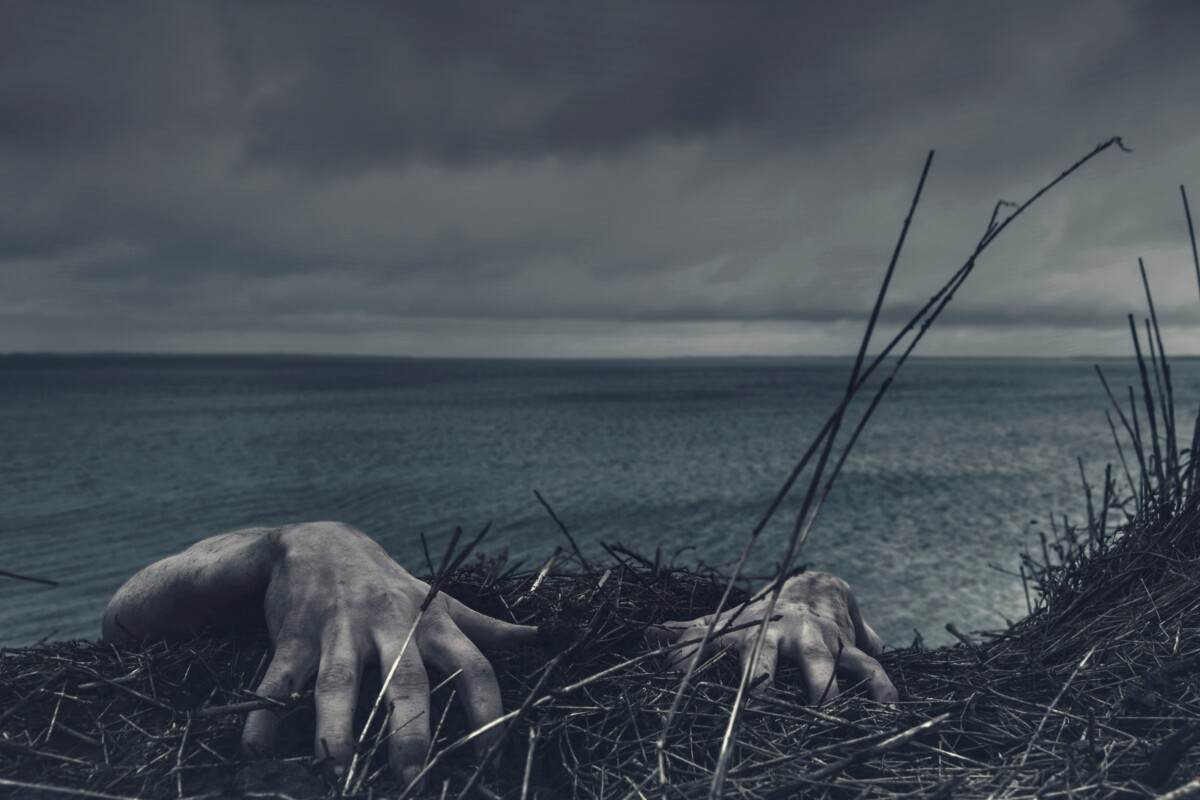
Leo has a name for businesses that may be continuing without a viable long-term future: “zombie companies”.
“They look alive but really they’re dead they just don’t know”
A different kind of growth strategy
Leo founded EdenLab in 2022 after leading Grey London and establishing Grey Consulting.
The firm works primarily across food and energy, helping organisations develop commercially viable responses to structural change.
Its founding principle was simple.
“if organisations can’t make money, they won’t follow the transition”
For Leo, adaptation cannot rely on businesses accepting indefinite additional costs. It must produce credible opportunities for growth.
The problem with more evidence
Research discussed in the episode, published by the London School of Economics, presents average economic benefits of four times the cost of climate adaptation investment.
Leo does not dispute the research. He questions whether more evidence will change decisions.
“We don’t really need more people telling us how big the hole is and measuring precisely how much damage is coming.”
His concern is the distance between understanding a problem and financing a response.
When the numbers change the decision
EdenLab’s work with a UK renewable energy business illustrates the challenge.
The project examined how to scale domestic solar panels, battery storage and EV charging.
A detailed financial model identified the cost of installation finance as a critical variable.
“If you can get to a zero percent apr you can smash it”
At interest rates approaching 10%, the proposition became considerably harder.
The broader economic case for transition was not enough. The individual business model still had to work.
When resilience becomes the wrong objective
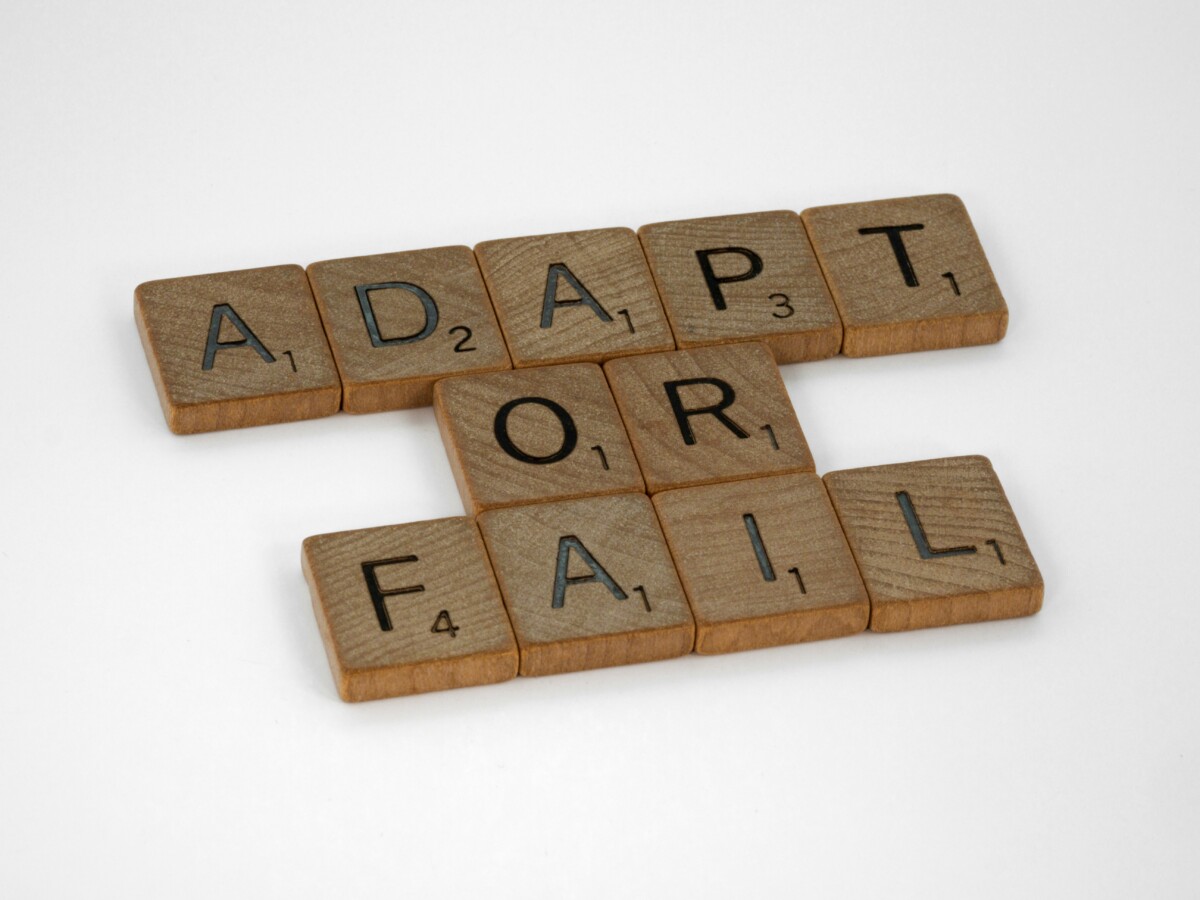
Leo goes further than arguing for better financing.
“I look forward to the death of many companies. I’m really serious about it.”
He immediately distinguishes the disappearance of businesses from people necessarily losing their jobs.
His concern is that some companies may be defending activities whose commercial future is deteriorating.
Drawing on Nassim Nicholas Taleb’s concept of antifragility, Leo questions whether businesses should aim merely to withstand disruption.
“The real adaptation is we have to adapt ourselves.”
The gap that remains
EdenLab focuses on three capabilities: adaptive intelligence, imagination and commercial impact.
Companies need to recognise change, develop alternatives and establish whether those alternatives can make money.
The food industry conference exposed how far apart those capabilities can be.
Most attendees saw disruption coming. Few were confident they were building a commercially resilient response.
For some businesses, the harder question may not be how to survive the next shock.
It may be whether their existing business should survive at all.
Sponsored by:
Marketing and Communications You Can Trust
👉 Learn how truMRK helps organisations strengthen the credibility of their marketing and communications.
Want to be a guest on our show?
Contact Us.
The Responsible Edge Podcast
Queensgate House
48 Queen Street
Exeter
Devon
EX4 3SR
Join 2,500+ Subscribers.
New episodes exploring responsible marketing, reporting and communications, straight to your inbox.
© 2026. The Responsible Edge Podcast. All rights reserved. The Responsible Edge Podcast® is a registered trademark.
Sponsored by truMRK
© 2026. The Responsible Edge Podcast