

Listen to the full podcast episode on YouTube, Spotify, and Apple Podcasts.
The promise of proof
Sustainability standards are designed to reassure. They translate environmental and social ambition into measurable criteria. They produce certificates, benchmarks and case studies.
An article by ISEAL, How are sustainability standards driving real world change?, assembles evidence in their favour. It cites modest income increases for small producers within certification schemes. It points to export gains in lower-income countries. It highlights improved carbon management among certified cocoa farmers in Ghana and biodiversity gains under forest certification systems.
The conclusion is measured. Standards are not sufficient alone, but they should be strengthened.
Pooran sees the problem differently. For him, the core issue is not weak standards. It is the belief that standards can deliver transformation.
A systems founder shaped by science
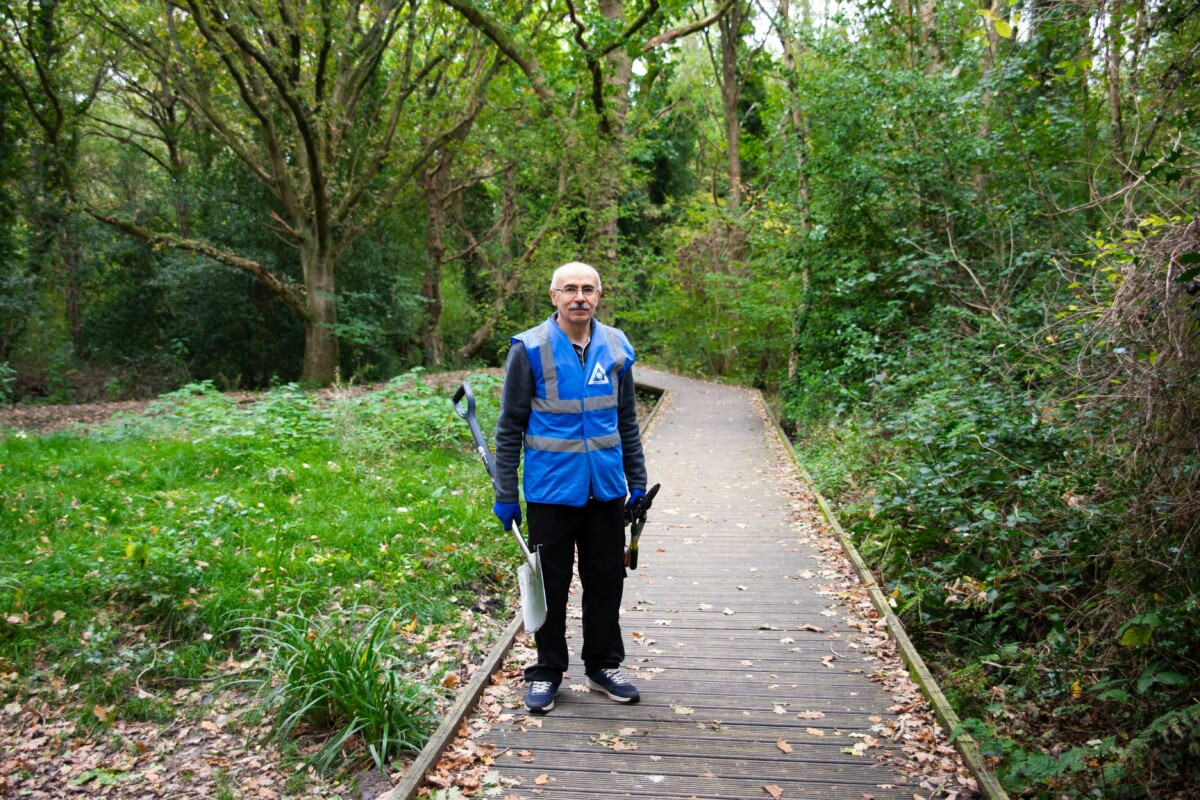
Pooran is the founder of OnePlanet.com, a digital platform built to help governments and organisations map the interconnected effects of their decisions.
His career spans neuroscience, sustainable forestry, real estate development and the creation of the One Planet Living framework, which informed early proposals for the UN Sustainable Development Goals.
Pooran describes sustainability as grounded in a basic recognition: “everything is interconnected.” Silos, he argues, exist in organisations and in minds. “Those silos do not exist out there.”
Most institutions manage sustainability through conventional databases structured in rows and columns. OnePlanet.com instead uses graph database architecture, organising information by relationships rather than categories. Policies are broken into “outcomes, actions, indicators,” then linked across departments and sectors. Overlaps, conflicts and shared goals become visible.
The premise is operational rather than rhetorical. If sustainability is about interdependence, the underlying data structure must reflect it.
The certification encounter
Pooran’s scepticism toward standards is rooted in experience.
In the 1990s, he co-founded sustainable forestry enterprises in the UK. The model reintroduced traditional coppice woodland management, regenerating habitats while replacing unsustainable imports. The business developed a distributed production network, supplying local retailers.
When major customers required Forest Stewardship Council certification, the company complied. The process, he says, was “an absolute nightmare.”
Certification increased bureaucracy and cost. More critically, it displaced tacit knowledge. Graduate auditors assessed third- and fourth-generation woodland workers who “lived it, they breathed it, they smelt it.”
Of the auditors, Pooran says: “You’ve got nowhere near their knowledge and understanding.”
Authority shifted from practitioner to certifier. Box-ticking became proof of sustainability.
For Pooran, this inversion exposed a structural risk. Compliance frameworks can narrow attention to what is measured. What falls outside the checklist is discounted.
Evidence and its blind spots
The ISEAL article relies on evidence of measurable gains. Pooran does not dismiss those gains. He questions the framing.
“Evidence is only what you look for,” he says.
Evidence, by definition, reflects past measurement. It captures selected variables. In agriculture, yield increased under intensive methods. Soil degradation, biodiversity loss and nutrient decline were not initially part of the evidence base. They appeared later as “side effects.”
For Pooran, they are not side effects. They are effects that were excluded from focus.
He argues for policy that is “evidence informed” rather than evidence led. Evidence can guide. It cannot define the future. Driving forward by metrics alone risks managing spreadsheets rather than reality.
Standards as floor, not frontier
Pooran does not call for the abolition of standards. He assigns them a narrow role.
“Regs for the dregs,” he says, summarising his position with deliberate bluntness.
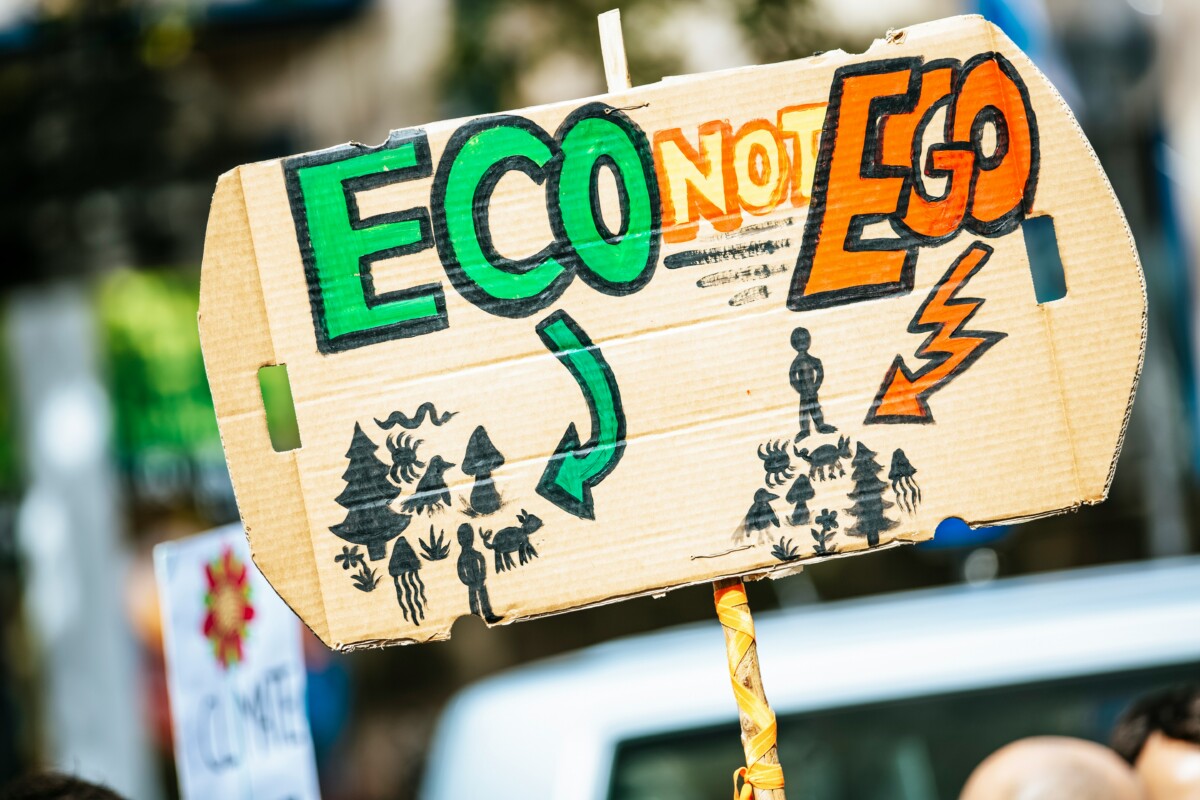
Standards should prevent the worst practices. They should set a minimum floor. They should not be treated as markers of leadership or innovation.
The danger arises when certification is equated with excellence. Once a badge signals responsibility, incentives shift toward maintaining compliance rather than pursuing structural change.
In his words, it becomes “a promotion of those people who have ticked those boxes as leaders.”
He extends this concern to ESG and corporate certification schemes more broadly. When legitimacy depends on meeting predefined metrics, the conversation narrows. Authenticity gives way to optimisation.
The question of corporate purpose
At root, Pooran sees the problem as one of governance rather than disclosure.
He traces a shift from nineteenth-century public benefit incorporation toward twentieth-century shareholder primacy. The latter, in his view, distorts incentives. Standards then attempt to correct outcomes without addressing underlying purpose.
If he could alter one feature of the commercial system, it would be this hierarchy of obligation.
Corporate primacy, he argues, should rest with “human and planetary health,” not solely shareholder return.
Standards might still exist in that world. But they would operate as guardrails, not proof of virtue.
Control and complexity
Sustainability standards offer clarity in a complex system. They translate ambition into rules and outcomes into metrics. They create comparability.
Pooran questions whether that clarity is illusory.
If sustainability requires an understanding of interconnectedness, then narrow certification may simplify what cannot be simplified. Systems resist reduction. Interdependence does not fit neatly into a checklist.
The tension remains unresolved. Markets seek certainty. Ecologies operate in relationships.
Standards can measure performance. They cannot, on their own, change the logic of the system being measured.
Sponsored by...
truMRK: Sustainability Communications You Can Trust
👉 Learn how truMRK helps organisations strengthen the credibility of their communications.
Want to be a guest on our show?
Contact Us.
The Responsible Edge Podcast
Queensgate House
48 Queen Street
Exeter
Devon
EX4 3SR
Join 2,500+ professionals.
Exploring how to build trust, lead responsibly, and grow with integrity. Get the latest episodes and exclusive insights direct to your inbox.
© 2026. The Responsible Edge Podcast. All rights reserved. The Responsible Edge Podcast® is a registered trademark.
Sponsored by truMRK
© 2026. The Responsible Edge Podcast