
Listen to the full podcast episode on YouTube, Spotify, and Apple Podcasts.
The Reassurance Economy
Packaging has become a proxy for responsibility. Plastic is replaced with compostable film. Labels promise biodegradability. Procurement teams log progress.
Yet the underlying system remains intact. Single-use packaging continues to move in one direction: from production to disposal.
In conversation on The Responsible Edge, Clare Brass challenged the premise beneath much of this transition. The issue is not simply the material. It is the model.
“Very often if you switch one material for another material, you’re just putting the problem somewhere else.”
Compostables offer reassurance. They allow businesses to signal change while preserving throughput. The transaction remains single use. The waste stream remains active.
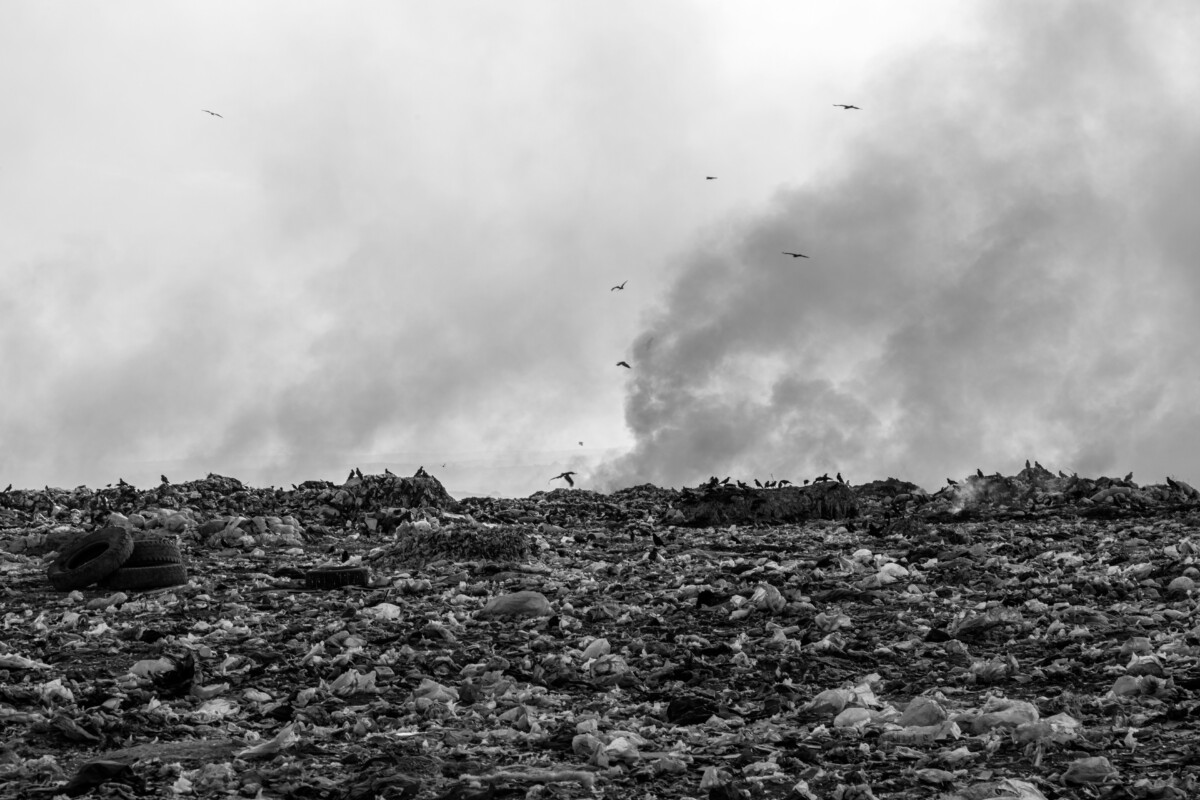
Formation in Landfill
Clare is Co-founder and Chief Product Officer at Moree, a London-based reusable packaging start-up focused on the coffee sector . She describes herself as a “product design engineer and waste hater” .
Her early career followed a conventional path. She ran a thriving product design studio in Milan for fourteen years . Growth meant more products in the market.
“The more I grew as a designer, the more landfill I generated.”
That realisation altered her direction. In 2002 she began asking whether she could “be a designer without designing stuff” . A Masters in Creative Entrepreneurship at Politecnico di Milano reset her professional trajectory .
She went on to lead sustainability at the Design Council and later founded SustainRCA at the Royal College of Art . The focus shifted from objects to systems.
Recycling as False Resolution
The compostable debate, for Claire, is inseparable from recycling. Both sit downstream of the core issue: volume.
“Biodegradable… it sounds all kind of nature friendly and cuddly.”
In practice, compostables require specific infrastructure. Most households do not have it. Consumers cannot easily distinguish between compostable and recyclable plastics. When compostables enter recycling streams, contamination follows. Entire batches can be diverted to landfill.
Claire went further.
“Recycling is probably the worst thing you can do in a circular economy.”
The argument is structural. Mixed plastics degrade in quality. Recycled material rarely returns to its original use. Value diminishes. Meanwhile, production continues to rise.
“There is no way that recycling is ever going to keep pace with the rate at which we are increasingly using single-use packaging.”
Disposal systems are asked to absorb growth. They were never designed for it.
Designing Reuse for One Sector
Rather than argue abstractly, Claire has narrowed the problem. Moree focuses on B2B coffee distribution .
Roasteries typically ship coffee in one-kilogram single-use bags. A café ordering fifty kilograms per week receives fifty units. Most are discarded within days.
Moree replaces those with reusable five-kilogram vessels. The packaging is engineered specifically for coffee. It is food safe. It is designed so grounds cannot become trapped. It is flexible rather than rigid, reducing the cost of return logistics.
The system includes tracking software.
“You can see how many bags you own altogether, how many you’ve got currently in stock, and which clients have got all the rest and how long they’ve had them.”
Visibility reduces risk. Clients know where their packaging sits. They can manage returns before shortages occur.
The commercial case is explicit. Over five years, most clients save around fifty percent of packaging costs . Break-even typically occurs within the first year.
The friction lies at the beginning. Upfront capital. Operational change. Customer participation.
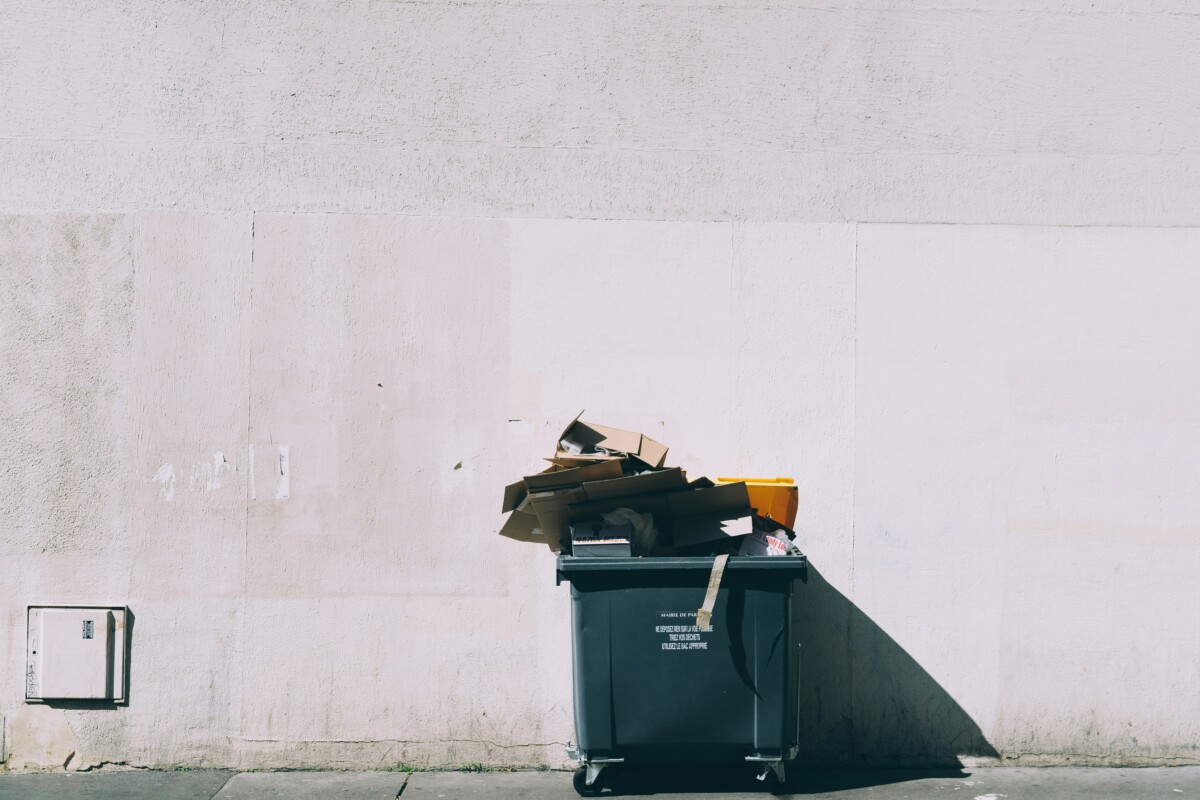
The Incumbent Constraint
Large packaging companies optimise material efficiency annually. They reduce thickness. They increase recycled content. They improve performance margins.
Their revenue, however, depends on selling units.
“If you ask them to say, okay, we’re not going to do that anymore… I think they would put themselves out of business.”
Transformation at scale threatens existing employment structures, infrastructure, and revenue models. The incentives are misaligned.
Claire suggests experimentation at the margins. Established firms can test alternative models without dismantling their core operations. Start-ups operate outside legacy constraints.
“They’re like little cogs and they’re working together.”
Most will fail. Some will scale. Structural change accumulates gradually.
Turning Off the Tap
Claire returns repeatedly to throughput.
“We have to turn off the tap.”
Recycling is the teaspoon in an overflowing bath. Compostables adjust the material of the bathwater. Neither addresses flow.
Reuse is operationally harder. It requires coordination between supplier and customer. It requires tracking. It requires agreement. It introduces friction into what was previously seamless disposal.
Compostables allow continuity. Reuse demands redesign.
For now, Claire’s focus is contained. Demonstrate that reuse works in one sector. Make it commercially viable. Reduce cost and waste simultaneously.
If proof accumulates, replication becomes easier.
The reassurance economy can persist only while the tap remains open.
Sponsored by...
truMRK: Sustainability Communications You Can Trust
👉 Learn how truMRK helps organisations strengthen the credibility of their communications.
Want to be a guest on our show?
Contact Us.
The Responsible Edge Podcast
Queensgate House
48 Queen Street
Exeter
Devon
EX4 3SR
Join 2,500+ professionals.
Exploring how to build trust, lead responsibly, and grow with integrity. Get the latest episodes and exclusive insights direct to your inbox.
© 2026. The Responsible Edge Podcast. All rights reserved. The Responsible Edge Podcast® is a registered trademark.
Sponsored by truMRK
© 2026. The Responsible Edge Podcast