
Listen to the full podcast episode on YouTube, Spotify, and Apple Podcasts.
Short-term earnings cycles leave long-term risk unpriced
Public companies allocate capital against short-term financial signals. Annual accounts look backward. Market expectations reset every quarter.
Sustainability operates on a different timeline. Climate exposure, supply chain fragility, and resource constraints develop over decades. Returns on mitigation are delayed and uncertain.
This creates a structural conflict. Investment decisions prioritise near-term cash generation. Sustainability initiatives compete for capital without comparable payback profiles. In periods of volatility, they are deprioritised. Businesses “are just bunkered down short term in a survival mode.”
The issue is not awareness. It is how risk is priced and when value is recognised.
From contaminated land to board-level capital decisions
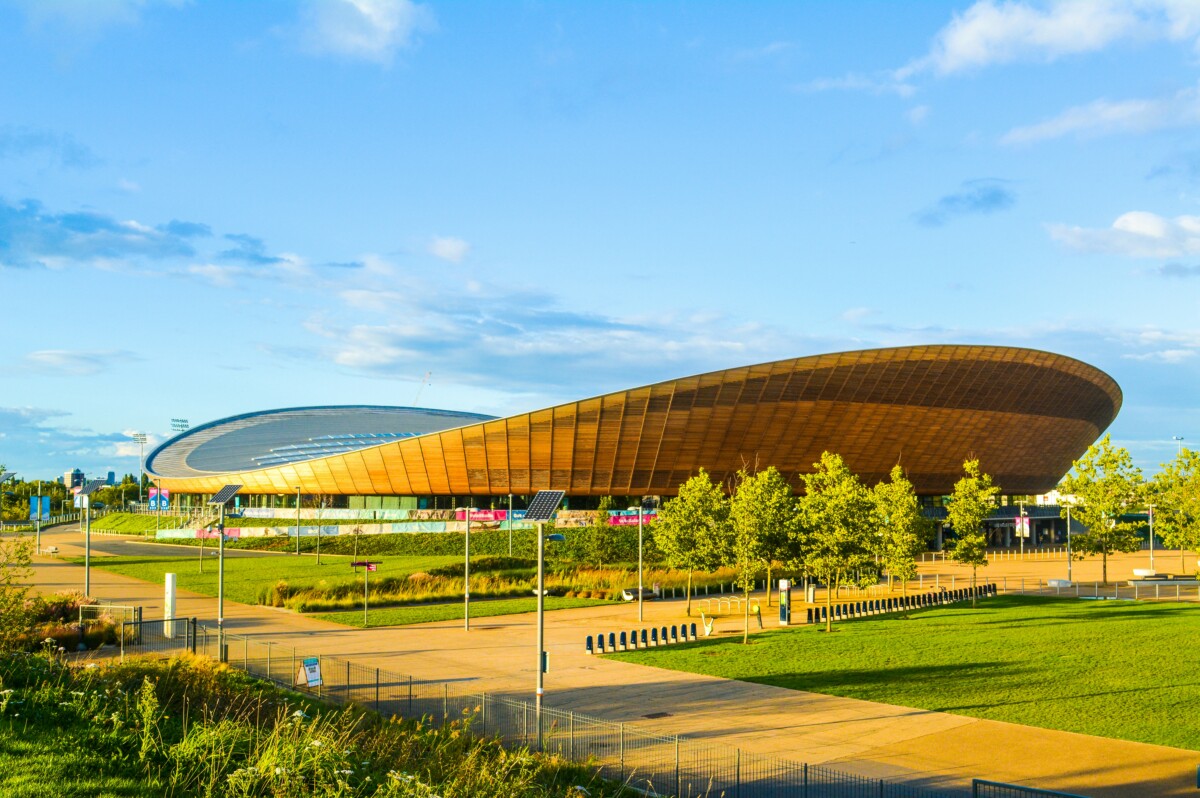
Amelia began her career in environmental remediation, working on contaminated land and complex infrastructure programmes, including the London 2012 Olympic Park.
These roles required translating environmental constraints into operational delivery. Regulatory approval, cost control, and timelines were immediate constraints.
Over two decades, Amelia moved into executive roles across infrastructure, transport, and listed companies. Her work focused on embedding sustainability into business models, governance, and commercial strategy.
Her position is explicit. Businesses exist to generate profit. “They’re not on a philanthropic journey.”
The constraint is not profit itself. It is whether that profit model remains viable under changing environmental and social conditions.
Where sustainability loses: inside financial planning cycles
The friction becomes visible in financial planning.
Transition plans require projecting performance over 10 to 15 years. Financial systems are built around 12-month reporting cycles. This creates resistance. Forecasts are uncertain. Once disclosed, they create accountability.
At the same time, sustainability proposals often fail to align with financial metrics used in capital allocation. This reinforces internal scepticism.
Amelia describes the perception directly. “They’re perceived as being kind of moral highwaymen.”
At this point, sustainability is not rejected on principle. It is rejected because it cannot be priced.
Rewiring sustainability into revenue, cost, and risk
Amelia’s approach focuses on embedding sustainability into core financial drivers.
This means linking ESG strategy directly to commercial outcomes. Execution is structured across three areas.
- Revenue generation.
- Cost efficiency.
- Risk management.
Prioritisation is selective. “Don’t worry about the other things. For now. Just fix that problem.”
This aligns sustainability with existing decision-making logic rather than competing against it.

An expanding mandate inside unchanged financial systems
The CSO role sits in a narrow space.
Sustainability is expected to be embedded across the organisation. At the same time, regulatory pressure, disclosure requirements, and systemic risks are increasing.
Full integration has not occurred. Most organisations remain fragmented. Central coordination is still required.
The deeper issue is structural.
- Capital allocation prioritises short-term return
- Sustainability requires long-term investment
- Disclosure frameworks impose long-term accountability
This creates exposure. Companies must commit to outcomes they cannot model with precision.
At the same time, risk categories are expanding. Climate volatility, supply chain disruption, and emerging technologies introduce new financial exposure.
The CSO is expected to manage this within systems that were not designed for it.
Bridging timelines without resolving the mismatch
The role is shifting from advocacy to financial translation.
Sustainability leaders must express long-term systemic risk in terms that fit short-term capital allocation. This requires trade-offs. Some initiatives are delayed. Others are reframed to deliver immediate value.
Amelia’s approach is incremental. Establish short-term wins. Build credibility. Extend planning horizons over time.
The underlying tension remains unresolved. Financial systems reward immediacy. Sustainability depends on duration.
The CSO operates between the two, without control over either.
Sponsored by...
truMRK: Sustainability Communications You Can Trust
👉 Learn how truMRK helps organisations strengthen the credibility of their communications.
Want to be a guest on our show?
Contact Us.
The Responsible Edge Podcast
Queensgate House
48 Queen Street
Exeter
Devon
EX4 3SR
Join 2,500+ professionals.
Exploring how to build trust, lead responsibly, and grow with integrity. Get the latest episodes and exclusive insights direct to your inbox.
© 2026. The Responsible Edge Podcast. All rights reserved. The Responsible Edge Podcast® is a registered trademark.
Sponsored by truMRK
© 2026. The Responsible Edge Podcast