The New Demands of Regenerative Business

Episode 137 | 8.12.2025

The New Demands of Regenerative Business

As climate shocks intensify, the shift from sustainability to regeneration is gathering force. Consultant Zoe Duvall explains what this change means for organisations today.

Listen to the full podcast episode on YouTube, Spotify, and Apple Podcasts.

Scene and Context

Businesses in many sectors are finding that traditional sustainability is no longer enough. Insurance firms are pulling out of high risk regions. Food supplies are exposed to soil decline. Heat and flooding are disrupting infrastructure. These patterns frame Hannah Pathak’s article Beyond Sustainability: Businesses Embrace Regenerative Systems Thinking.

Hannah sets out a clear shift. Sustainability often meant doing less harm. Regeneration means strengthening the systems that companies rely on. She links this to Doughnut Economics and highlights examples in farming, construction and energy that show how restored systems create more stable value.

On the podcast, Zoe put it plainly.

Regeneration requires seeing how “health systems, economic, energy, food, social and planetary systems” are connected.

 

Formation and Early Influences

Zoe traces her worldview back to an experience at eleven, when she lost her father.

He had been “a serial entrepreneur” who once drew the praise of Bill Gates as “the most dynamic man he’d ever met.”

There was a cost behind that drive. “He was quite addicted to work,” she said, and his early death shaped her sense of limits and purpose.

A health scare later in life led her to pause her career and travel Europe in a campervan. She described learning “how to be more in tune with my body” and understanding that energy is finite.

These experiences influence how she works. They give her a sharp awareness of the tension between ambition and wellbeing, something she now sees across the sustainability field.


Turning Point

Zoe spent nearly eight years at Mott MacDonald in climate, ESG and systems roles. Her LinkedIn profile shows work on net zero coalitions, ESG strategy and digital change before moving into climate risk and industry collaboration.

Her major turning point was leading the second iteration of the Physical Climate Risk Appraisal Methodology.

She said launching PCRAM at London Climate Action Week “gave me the confidence to start my independent practice.”

It showed her the power of shared methods and the value of collaboration across investors, engineers and policymakers.


The Work She Is Doing Now

Zoe now runs her own climate and sustainability advisory practice and is co founder of Overstory Earth, which helps city residents reconnect with nature.

Her focus is regenerative strategy. She stresses that regeneration does not rely on waiting for new technologies.

“We have all of the tools already today.”

Hannah’s article supports this view with concrete examples. Regenerative agriculture restores soil health and improves yields. Energy companies shifting from fossil fuels to renewables are strengthening long term resilience. Construction firms using nature based materials are improving water retention and air quality.

Zoe gave a direct example from farming. Years of monocropping and tilling have caused “mass desertification” in parts of the United States.

When yields fell and the impact hit “the livelihoods” of farmers, many turned to regenerative practices.

The result was healthier soil and more reliable output.
 

The Tension

The largest challenge is time. Most organisations still operate on short cycles. Quarterly targets, investor expectations and internal promotion systems all pull leaders toward near term decisions.

Zoe captured the tension clearly. Businesses that want to exist “in fifty or a hundred years time” need to think on that scale.

Hannah’s article points to the same pressure. Regeneration depends on soil health, supply chain strength, stable communities and long term assets. These conditions do not fit neatly inside current reporting models.

A further tension sits inside the work culture itself. Zoe said that stepping into independent practice revealed a generous community of founders and freelancers.

“People are so generous with their time,” she said.

This collective mindset aligns more closely with regenerative thinking than the competitive structures found in many large organisations.


Closing Reflection

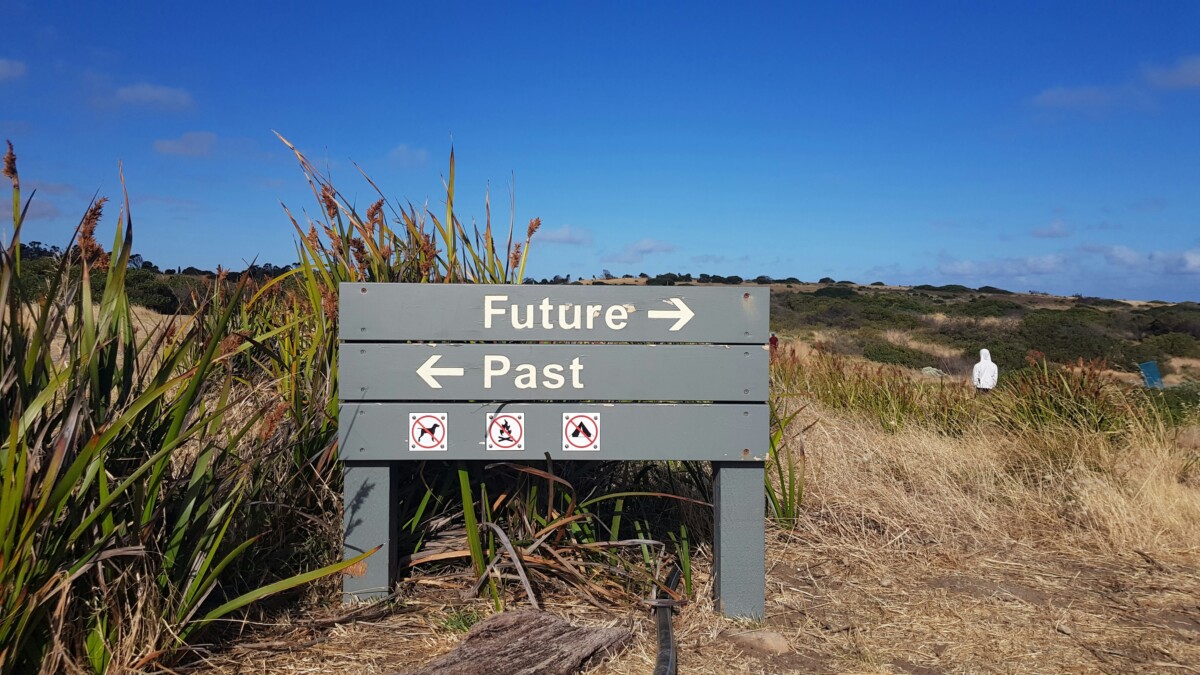
Asked what she would change about the commercial world, Zoe said she would give decision makers “goggles to really see into the future.”

The image is simple but sharp. Regeneration depends on choices made before systems fail. It requires clear sight of consequences and a willingness to act early.

Pathak’s article argues that regeneration is already within reach. Zoe’s experience shows what it looks like in practice. The question now is whether organisations can adjust their time horizons fast enough to match the pace of change around them.

Sponsored by...


truMRK: Communications You Can Trust


👉 Learn how truMRK helps organisations strengthen the credibility of their communications.

Want to be a guest on our show?

Contact Us.

The Responsible Edge Podcast
Queensgate House
48 Queen Street
Exeter
Devon
EX4 3SR

Recognition.
Join 2,500+ professionals.

Exploring how to build trust, lead responsibly, and grow with integrity. Get the latest episodes and exclusive insights direct to your inbox.

  • This field is for validation purposes and should be left unchanged.

© 2025. The Responsible Edge Podcast. All rights reserved.
The Responsible Edge Podcast® is a registered trademark.

Sponsored by truMRK

© 2025. The Responsible Edge Podcast
Decarbonising Fashion Supply Chains at Scale

Episode 136 | 1.12.2025

Decarbonising Fashion Supply Chains at Scale

Why fashion’s supply chains in South Asia are under pressure to cut emissions and how new models of finance and collaboration are starting to shift what is possible.

Listen to the full podcast episode on YouTube, Spotify, and Apple Podcasts.

Decarbonisation at ground level

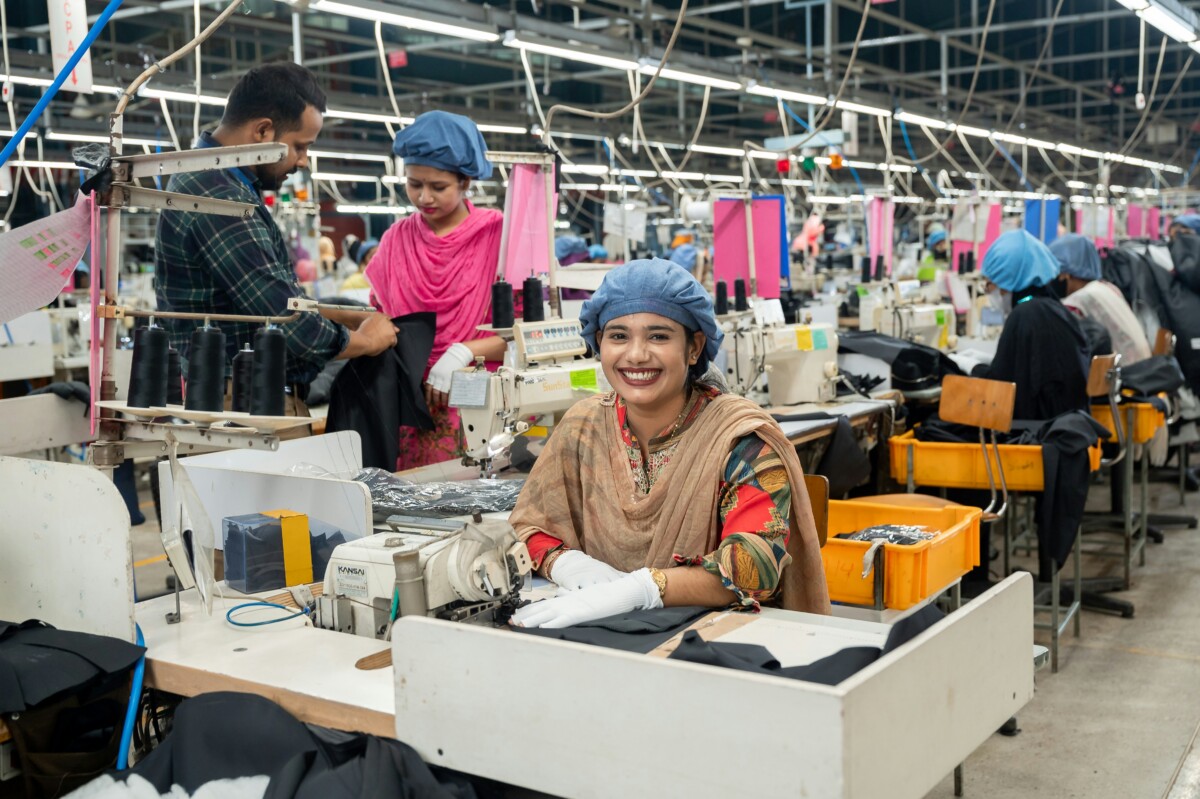
Across South Asia, many garment factories sit at the centre of the global climate conversation. They produce for well known brands with public targets, yet they face a very different reality. Energy costs move quickly. Margins are tight. Access to capital can be difficult and in some markets the cost of borrowing is high. Many small and mid sized manufacturers do not have the resources or visibility to manage large scale change.

This is the landscape explored in this episode. Charlie is joined by Jamie Rusby, co founder of Generation 1, a platform that supports decarbonisation in fashion supply chains. The aim is to help factories move from ambition to action through planning tools, local delivery partners and investment that removes the need for upfront capital. Jamie describes it as a practical way to support manufacturers who want to move but face structural barriers.

The conversation builds on a recent World Economic Forum article that calls for new forms of supply chain finance. The idea is that isolated projects are not enough and that companies will need long term, structured investment across a portfolio of suppliers. It is a clear argument, yet the real conditions inside factories and procurement teams show how complex that shift can be.


A career shaped by long supply chains

Jamie’s view of the problem has been shaped by more than twenty years in sustainability roles. He began his career at Forum for the Future, CoreRatings and Context Group before joining the IKEA Group in 2012. At IKEA he worked on policy, strategy and communication during a period of major organisational change.

One moment from that time stands out. IKEA had proposed that all wood used in its products should come from certified or recycled sources. Many believed the company could not reach one hundred percent. Jamie recalls the internal debate. He says,

“If you set a goal that is fifty percent, then you can decide which side of the fifty percent you are on. But if you set a hundred percent goal, then there is no unclarity around where you sit.”

The target was eventually met, and the experience shaped his view that many limits are practical rather than fixed.

Later, as Group Director Sustainability at VELUX, he worked on material decarbonisation and long term science based targets. During that period VELUX removed plastic from its packaging and shifted to a cardboard based solution. The climate impact was small, but the organisational impact was significant. Teams from design, manufacturing and marketing worked together and saw that change at pace was possible.

Jamie describes this shift in perspective as a personal journey too. He says,

“I used to describe myself as frustrated but optimistic, but now I describe myself as determined.”

The change reflects his belief that the core barriers to decarbonising supply chains are real but solvable.


Turning climate ambition into something operational

Generation 1 was founded to help brands and factories act on the ground. The model combines planning, implementation and finance into one service for manufacturers and consumer goods brands.

The planning stage helps factories identify practical options for reducing emissions. It also helps brands build a clearer picture of their supply networks. The delivery stage relies on local partners in Bangladesh and Nepal who install and maintain equipment. Rooftop solar is often the first step because it offers predictable savings and works well with garment production schedules.

The finance stage is designed to remove barriers for manufacturers. Many factories hesitate to invest because orders shift and capital is expensive. Jamie and his co founders partnered with an impact fund to provide affordable investment that does not require upfront cost. This creates the conditions for long term planning while keeping cash flow positive from the start.

Jamie explains why this matters. He says,

“These companies have many priorities. They employ thousands of people and need to meet customer needs. Decarbonising becomes another priority, so it needs structure for it to move.”

This structure allows brands and suppliers to work across multiple projects rather than one at a time.


Finance, power and the reality inside factories

The World Economic Forum article argues for programmatic supply chain finance. It suggests that buyers should form large portfolios of supplier projects in order to attract institutional investors. Jamie agrees with the ambition but questions whether most companies have the leverage or internal capacity to adopt such a model.

He notes that many factories operate under significant pressure. Some employ thousands of people and produce millions of garments each week. They prioritise stability, employment and customer expectations. Adding complex decarbonisation projects without support can feel unrealistic. Jamie says,

“They see the risks of climate change, but for it to be a priority you need a strong customer who can help drive it forward as part of a program.”

Trust is also a recurring theme. Years of cost pressure and short term purchasing have shaped relationships between brands and manufacturers. Jamie’s view is that responsibility begins by understanding this context. Manufacturers want to decarbonise, but the system often gives them few options. Brands carry targets but may lack visibility into lower tier suppliers. Programmatic finance can only work if both sides see value and if the structure feels fair.


A quieter form of determination

As the conversation closes, Charlie asks what gives Jamie confidence that large scale change is possible. Jamie returns to the idea that the barriers are less about technology and more about coordination. He says,

“These are not insurmountable barriers, but they are real barriers because we have got used to a way of working that we need to change.”

His hope is that more organisations will adopt collaboration as a practical tool rather than a slogan. He believes progress will come from long term partnerships, clear goals and shared structures. The moral thread is quiet but present. Real responsibility grows from understanding conditions on the ground and designing solutions that fit them.


Closing reflection

Fashion supply chains have become a central arena for climate action. Manufacturers operate under pressure, yet they control many of the levers needed to cut emissions. Brands hold public targets but depend on suppliers for delivery. The path forward will require finance that supports long term action and programs that help teams build trust across the value chain.

This episode suggests that responsibility is not theory. It is a sober understanding of what is possible when teams work with the real conditions in front of them. Decarbonisation becomes more credible when ambition meets structure, and when change is designed to work for the people who must carry it.

Sponsored by...


truMRK: Communications You Can Trust


👉 Learn how truMRK helps organisations strengthen the credibility of their communications.

Want to be a guest on our show?

Contact Us.

The Responsible Edge Podcast
Queensgate House
48 Queen Street
Exeter
Devon
EX4 3SR

Recognition.

Join 2,500+ professionals.

Exploring how to build trust, lead responsibly, and grow with integrity. Get the latest episodes and exclusive insights direct to your inbox.

  • This field is for validation purposes and should be left unchanged.

© 2025. The Responsible Edge Podcast. All rights reserved.
The Responsible Edge Podcast® is a registered trademark.

Sponsored by truMRK

© 2025. The Responsible Edge Podcast

When Tree Planting Becomes Real Climate Action

Episode 134 | 17.11.2025

When Tree Planting Becomes Real Climate Action

Tree planting is everywhere in climate work. Real restoration takes patience, proof and honest intent.

Listen to the full podcast episode on YouTube, Spotify, and Apple Podcasts.

Why This Conversation Matters

Tree planting has become a favourite climate habit. It feels simple. It feels hopeful. But this simplicity can hide a harder truth.

Derrick Emsley, co-founder of Tentree and Veritree, sees the gap between planting a sapling and restoring a living forest. He worries that tree planting can distract from deeper climate work when it is not done with care. As he put it,

“Tree planting is an input in pursuit of an outcome.”

That one line sets the tone. A forest is the outcome. Planting is just the start.


How the Story Begins

Derrick grew up in Saskatchewan. His first business began when he was sixteen. He and his brother planted trees on farmland because it felt like a direct way to help.

He remembers that early thinking clearly.

“We thought okay, you know, trees take carbon out of the air. We have a lot of marginal farmland. Why don’t we just plant trees on farmland?”

The idea had energy, but not expertise. They soon learned how complex restoration really is. Land, species, partners and long-term care all matter. Their first venture did not last, but it opened their eyes to the power of restoring nature.

They did not fall in love with carbon markets. They fell in love with reforestation.


The Turning Point

Tentree came next. The model was simple. For every product sold, ten trees would be planted. But the promise brought new pressure.

Derrick recalls the questions that kept coming up.

“Did the tree get planted? Did anybody else claim that same tree? Did it survive and was it even the right tree in the first place?”

The team struggled to find clear answers, so they built their own tools. They mapped planting sites. They checked survival. They built a system to track every project. The tool later became Veritree, a platform for monitoring and verification.

This shift from planting to proving changed how the work was done.


What Real Action Looks Like

Restoration projects now run through a full life cycle inside Veritree. Assessment. Design. Planting. Monitoring. Verification. Reporting. Inventory.

The goal is simple. Evidence. If a company says it supported a forest, there should be clear proof that the forest exists and grows.

Not every partner is accepted. Derrick shared why.

“We have said no to a ton of partnerships where we don’t believe the organisation is interested in doing this for the right reasons.”

Short-term tree planting is not enough. Long-term care matters. Many partners now commit for three to five years or more. A forest cannot be built on one-off gestures.


The Moral Tension

Tree planting sits in a tight moral space. It can help the climate. It can also distract.

Derrick described a pattern he sees across the sector.

“Tree planting as itself, if all we are doing is just putting sticks in the ground, that is performative.”

Performative planting creates numbers. Transformative planting creates forests. The difference is intention, method and time.

Derrick is also clear about the wider climate picture. Cutting emissions still comes first. Tree planting cannot be an excuse. It must be a support.


Why There Is Still Hope

Despite political noise around climate, support for nature is strong. Derrick shared research he heard during Climate Week.

“People were asked, do they feel we need to be restoring nature and restoring natural places. Ninety percent said yes.”

Nature still unites people. It offers a shared starting point when climate conversations feel divided. This gives restoration work a rare chance to grow.

Inside companies, the work is steady even if the public conversation is uneven. Many organisations are building nature strategies quietly and consistently.


The Takeaway

Tree planting became popular because it feels hopeful. The responsibility now is to keep that hope honest.

For Derrick, the future depends on one idea.

“If I could wave a magic wand, it would be to embed nature as infrastructure in every dollar we spend.”

Real restoration needs steady funding, long partnerships and honest reporting. It needs projects that put forests, not numbers, at the centre.

Trees can help the climate. But they only help when we treat them with care, patience and truth.

Responsibility begins with reality.

Sponsored by...


truMRK: Communications You Can Trust


👉 Learn how truMRK helps organisations strengthen the credibility of their communications.

Want to be a guest on our show?

Contact Us.

The Responsible Edge Podcast
Queensgate House
48 Queen Street
Exeter
Devon
EX4 3SR

Recognition.

Join 2,500+ professionals.

Exploring how to build trust, lead responsibly, and grow with integrity. Get the latest episodes and exclusive insights direct to your inbox.

  • This field is for validation purposes and should be left unchanged.

© 2025. The Responsible Edge Podcast. All rights reserved.
The Responsible Edge Podcast® is a registered trademark.

Sponsored by truMRK

© 2025. The Responsible Edge Podcast
Rum Without the Hangover: Inside a Carbon Negative Distillery

Episode 127 | 26.9.2025

Rum Without the Hangover: Inside a Carbon Negative Distillery

A scientist and a marketer in Devon built Two Drifters to show that British rum can be made from scratch without harming the planet.

Listen to the full podcast episode on YouTube, Spotify, and Apple Podcasts.

Two people, one promise: if they were going to make rum in Devon, it would not damage the planet. That promise is at the heart of Two Drifters, the carbon negative distillery started by Russ and Gemma Wakeham. In this on site episode of The Responsible Edge, we walked through the warm, sugary air of their working distillery to learn how science, data and storytelling come together in a bottle of British rum.


The Origin Story

Their journey with rum began long before it became a business. Their first date was at a rum tasting in Bristol. Their honeymoon was in St Lucia, where, as Gemma remembers, rum was “cheaper than water.” After years of moving for Russ’s chemistry career, from Vancouver to Wales, they wanted to raise their daughter back home in Devon. That choice collided with a bigger idea: build a distillery that makes rum from scratch in Britain, not just blends it, and do it in a way where growth does not mean more emissions.

“It won’t be my business that hurts the planet,” says Gemma.

“If we’re going to do this, we’ll do it with everything we have, without adding to global warming.”


From Why to How: Making Carbon Negative Rum

Russ looked at the challenge as a scientist. The first step was to measure everything. They carried out a full life cycle assessment, looking at every stage from sugar cane and molasses to pallets, couriers, bars, ice cubes, and glass recycling. The results were eye opening. Sugar inputs carry a big share of the impact. The use phase matters too. And global sugar supply chains are hard to trace.

The solution is not a slogan, it is a system. First, reduce impacts wherever possible. Then, remove what is left through permanent carbon removal. The distillery works with direct air capture so removals are real and can be checked.

“You build the business so that cutting comes first, because removals are expensive, and you only remove what you cannot cut,” Russ explains.


Credibility Over Hype

The couple are honest about trade offs. Gemma recalls turning down a tempting London Underground ad campaign after learning that the posters used laminated plastic and paper with a heavy footprint.

“You can’t talk about sustainability on an unsustainable platform,” she says.

These choices are easier when carbon has a real cost inside your business plan. Russ calls it an in house carbon price: a simple way of thinking that pushes every choice, from bottles to transport to advertising, toward lower impact.

And they don’t expect customers to buy for the planet. “First bottles are earned on taste and quality,” Gemma says.

“But the second bottle? That’s where our story helps.”

Tours often turn curiosity into loyalty. Visitors leave having seen the science and the ethos up close.


Storytelling That Stands Up

This episode looks at The Power of Climate Storytelling, and Two Drifters is a live case study. Gemma’s role is to keep the story joyful and clear. Russ focuses on the data, making sure it would survive a scientist’s review. Their advice for other founders: pick one issue you really care about, measure it properly, be honest about the gaps, and start now. If you use sustainability only as a marketing tool, it will backfire. If you design the business around it, the marketing will take care of itself.


The Big Vision

When asked about the future, Gemma dreams of a destination distillery where visitors can see carbon systems in action, pedal to make power, and learn why certain bottles or closures are used. In her words, it should be sustainability made visible and fun. Russ wants the numbers to add up at scale. He sees a challenger brand that proves internal carbon pricing and credible removals can build profit and force the big players to react.

“Make it profitable, and change follows,” he says. “Price carbon properly, and the market will do the rest.”


Closing Takeaway

Two Drifters is not selling virtue. It is selling excellent rum built on a system that refuses to pass hidden costs onto others. That is the responsible edge here: lead with product, back it with proof, and make the tough choices clear. If more founders did this, climate storytelling would not need to sugarcoat the message, it would simply tell the truth.

Sponsored by...


truMRK: Communications You Can Trust


👉 Learn how truMRK helps organisations strengthen the credibility of their communications.

Want to be a guest on our show?

Contact Us.

The Responsible Edge Podcast
Queensgate House
48 Queen Street
Exeter
Devon
EX4 3SR

Recognition.

Join 2,500+ professionals.

Exploring how to build trust, lead responsibly, and grow with integrity. Get the latest episodes and exclusive insights direct to your inbox.

  • This field is for validation purposes and should be left unchanged.

© 2025. The Responsible Edge Podcast. All rights reserved.
The Responsible Edge Podcast® is a registered trademark.

Sponsored by truMRK

© 2025. The Responsible Edge Podcast

Fashion Talks Big on Sustainability — But Struggles to Deliver

Episode 124 | 8.9.2025

Fashion Talks Big on Sustainability— But Struggles to Deliver

Simon Whitmarsh-Knight, Global Marketing and Sustainability Director at Hyosung, doesn’t call himself a leadership guru. But ask him what really matters and his answer is simple:

Listen to the full podcast episode on YouTube, Spotify, and Apple Podcasts.

“For me, it starts and finishes with people. Think about the effect we have on people, how you make them feel, how we communicate.”

That people-first mindset now shapes how he sees one of fashion’s biggest challenges: the gap between endless sustainability talk and meaningful action.


The Problem: Conferences Without Clarity

Simon’s biggest frustration is how the textile industry handles sustainability.

“We have lots of sustainability conferences… but what I miss sometimes is, okay, what happens next?”

He describes a sector weighed down by acronyms — ESPR, CSRD, CSDDD — while still running on outdated processes. Brands talk about change, but the follow-through is patchy. The result? Confusion, delay, and missed chances to cut waste and emissions.


The Three Pillars of Change

The article Simon had read before coming on the show, Get Ready for the EU’s Eco-Design and Digital Product Passports, gave him a phrase he couldn’t shake:

“For some reason the words holy trinity came to me… because the article was talking about the three things that are so important in industry: one, regulation; two, digital tools; and three, fibre innovation.”

For clarity, he frames them as three pillars:

  • Regulation gives brands a clear North Star on durability, repairability and recyclability. “There’s nothing more sustainable than a garment that lasts.”

  • Digital Product Passports can cut waste from endless samples and offer traceability. “In a few years, we’ll be looking back saying, gosh, why didn’t we do this sooner?”

  • Fibre Innovation is where Hyosung places its bets: recycled elastane, mono-material garments, and new bio-based fibres from corn and sugar cane. “Either we’ll invent something that will help us with the recycling, or a new product will evolve that delivers the benefits of elastane but supports a more efficient recycling process.”


The Elephant in the Room

Still, Simon doesn’t dodge the harder truth:

“On a personal level, I would find it hard to disagree that we probably have all the things we need right now and don’t need lots of extra stuff.”

He knows innovation won’t solve everything if fast fashion’s appetite for more keeps growing. But his view is pragmatic: “Trying to do something to move us in the right direction is better than nothing and waiting around for a perfect answer.”


The Magic Wand: Clarity

If given the chance to change one thing about the industry overnight, Simon wouldn’t ask for new tech or subsidies. He’d ask for focus.

“We have lots of sustainability conferences, events, discussions, panels… My challenge would be, how can we almost do a meta-analysis of all of those different things? That highlights four or five critical things… and then you’ve got such a powerful platform. For me, clarity of purpose is really important. And that leads to action.”


Leading Responsibly

For Simon, responsible leadership isn’t about perfection. It’s about persistence. Progress over paralysis. Collaboration over competition.

“None of us can do this on our own. The problems are too big. We need to collaborate.”

That, he argues, is the only way to turn fashion’s three pillars into more than words.

Sponsored by...


truMRK: Communications You Can Trust


👉 Learn how truMRK helps organisations strengthen the credibility of their communications.

Want to be a guest on our show?

Contact Us.

The Responsible Edge Podcast
Queensgate House
48 Queen Street
Exeter
Devon
EX4 3SR

Recognition.

Join 2,500+ professionals.

Exploring how to build trust, lead responsibly, and grow with integrity. Get the latest episodes and exclusive insights direct to your inbox.

  • This field is for validation purposes and should be left unchanged.

© 2025. The Responsible Edge Podcast. All rights reserved.
The Responsible Edge Podcast® is a registered trademark.

Sponsored by truMRK

© 2025. The Responsible Edge Podcast
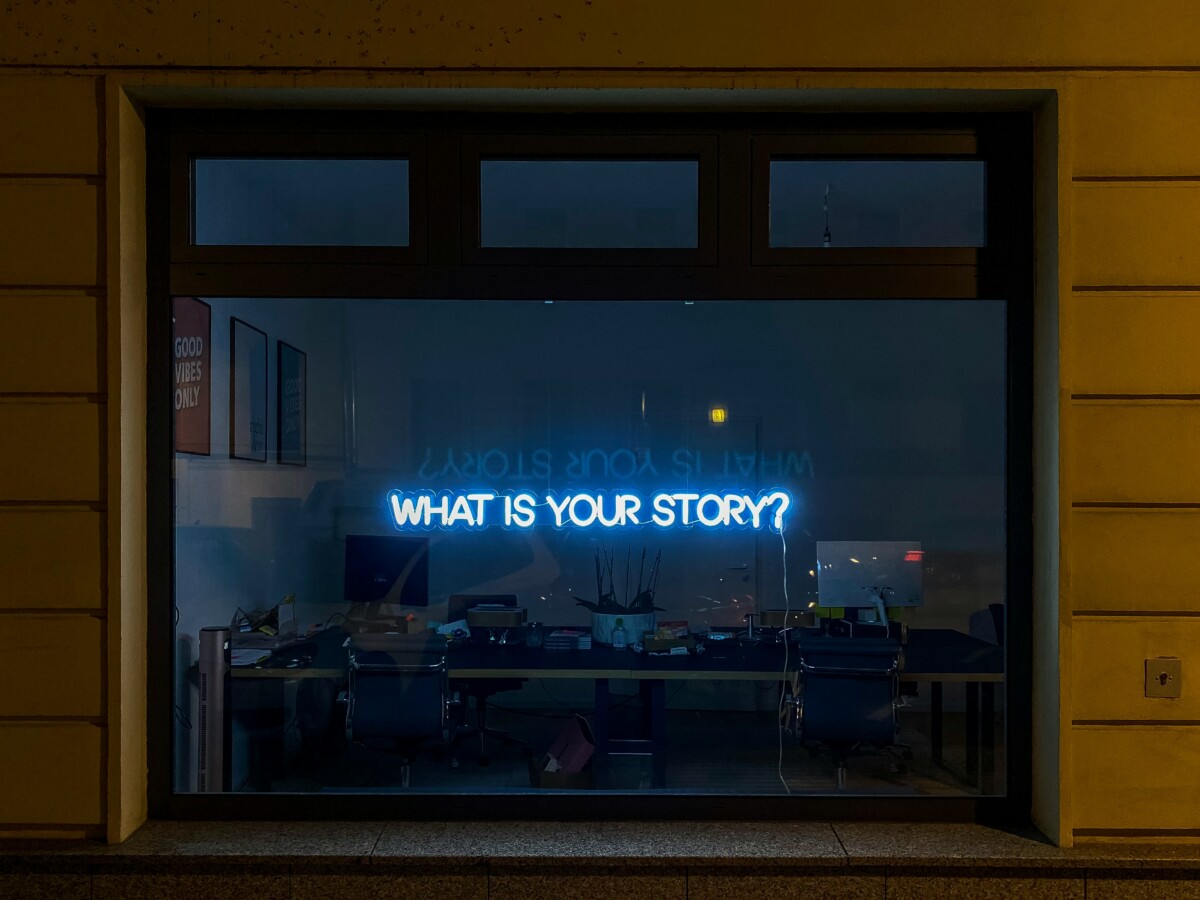
Climate Plans Without Action Are Just PR: Chris Wright’s Call to Start, Plan and Deliver

Episode 114 | 16.7.2025

Climate Plans Without Action Are Just PR: Chris Wright’s Call to Start, Plan and Deliver

For Chris Wright, the climate crisis isn’t short of ambition — it’s short of delivery. As he puts it, “Eighty percent of FTSE 100 firms have committed to net zero by 2050. But 95% of those haven’t shared a credible transition plan to get there.”

Listen to the full podcast episode on YouTube, Spotify, and Apple Podcasts.

That statistic — borrowed from EY — doesn’t shock him. After a decade at Tesco, where he led energy and engineering across 4,500 sites in five countries, he knows just how hard it is to turn strategy into action. But he also knows it can be done.

At Tesco, he helped them beat their 2025 science-based target ahead of time — not through grand gestures, but through a detailed, iterative plan. “Every store, every year. Forecast, act, measure, iterate,” he says.

“It’s like nudging an oil tanker. But you can nudge it.”


What Makes a Plan Credible

Now at Avison Young, Chris leads sustainability and decarbonisation strategy in the built environment sector — one of the heaviest emitters and slowest movers. The challenge? Many firms are stuck in “paralysis,” staring down the total cost of transformation and freezing in place.

His advice is simple, but pointed:

“Start somewhere. Don’t start with the hardest bit. Start with the wins.”

For Wright, a credible plan doesn’t mean perfect forecasting. It means creating a live blueprint that links ambition to operations and procurement. A plan that can flex — forward, back, sideways — but always points in the same direction. “It becomes the bedrock of decision-making,” he explains.

“Without it, you’re just reacting.”


The Engineer’s Advantage

Chris is, first and foremost, an engineer. But unlike the stereotype, he doesn’t get lost in the technical. He uses it to cut through the noise.

“Good engineering is about why we can do something, not why we can’t,” he says. That mindset has served him well — not just on site, but in boardrooms.

He’s clear that decarbonisation isn’t just an ESG issue. It’s a business planning issue.

“Investors want to know what you’re doing, when, and why. A plan shows them the opportunity.”


Culture Change, One Word at a Time

Despite his systems-level focus, Chris repeatedly comes back to something softer, less tangible: culture.

At Tesco, adding a single word — “planet” — to the company’s purpose statement had a bigger impact than expected.

“It gave people something to rally behind,” he reflects. “It made it real.”

That clarity of purpose now fuels his work in the real estate sector, where leadership often means aligning dozens of players with conflicting incentives. The solution? “Shared vision equals reduced cost,” he says.

“We’re not competing here. We’re all heading the same way.”


Is It Really Possible to Lead Responsibly?

Chris’s answer is unequivocal: yes — but not in the abstract. Responsible leadership, he insists, is not about virtue signalling or mission statements. It’s about discipline, detail, and follow-through.

“Climate action isn’t just about ethics,” he says.

“It’s about sound corporate planning.”

In a world that loves to talk about the destination, Wright is a rare voice focused on the route map — and on making sure the wheels actually turn.

Sponsored by...


truMRK: Communications You Can Trust


👉 Learn how truMRK helps organisations strengthen the credibility of their communications.

Want to be a guest on our show?

Contact Us.

The Responsible Edge Podcast
Queensgate House
48 Queen Street
Exeter
Devon
EX4 3SR

Recognition.

Join 2,500+ professionals.

Exploring how to build trust, lead responsibly, and grow with integrity. Get the latest episodes and exclusive insights direct to your inbox.

  • This field is for validation purposes and should be left unchanged.

© 2025. The Responsible Edge Podcast. All rights reserved.
The Responsible Edge Podcast® is a registered trademark.

Sponsored by truMRK

© 2025. The Responsible Edge Podcast