How Brands Can Avoid Social Washing: PR’s Role in Driving Authentic Impact

Episode 44 | 22.10.2024

How Brands Can Avoid Social Washing: PR’s Role in Driving Authentic Impact

In this episode, PR and media specialist Katie McIlvenny shares her insights on the role of PR in helping brands navigate social responsibility. Drawing on her experience working with creative agencies, Katie discusses the pitfalls of “social washing” and how brands can authentically support social causes. She emphasises the importance of radical transparency and offers strategies for PR professionals to guide clients in aligning their messaging with meaningful impact.

Listen to the full podcast episode on YouTube, Spotify, and Apple Podcasts.

In an era where businesses are expected to stand for more than just profit, brands face increasing pressure to align themselves with social causes and demonstrate genuine social responsibility. However, as Katie McIlvenny, a PR and media specialist, explains, this expectation brings its own set of challenges. Drawing on her extensive experience working with creative agencies and third-sector organisations, Katie discusses the fine line between authentic social impact and the pitfalls of “social washing” — a term used to describe brands that superficially associate with social issues for the sake of public image.

Katie’s journey into PR is rooted in her personal experiences and her passion for social causes. Growing up in a politically engaged family, she was exposed to the significance of social issues from an early age. This sense of activism was further fuelled by her own health struggles in her mid-twenties, when she faced a challenging ordeal due to misdiagnosed health problems. Reflecting on this experience during the podcast, Katie shared, “That was one of my earliest points where I got really passionate about how women are mistreated in the medical system and how understaffed the NHS was.” These experiences laid the groundwork for her career in communications, where she has focused on advocating for meaningful change and amplifying underrepresented voices.


The Rise of “Social Washing”

Katie highlights “social washing” as a prevalent issue in modern marketing. Similar to greenwashing, where brands exaggerate or misrepresent their environmental efforts, social washing occurs when companies use social causes to appear ethical or socially conscious without taking substantial action.

“It’s essentially jumping on trending social issues, having an opinion on it, or taking a tokenistic stance to drive sales,”

she explains.

Katie’s critique is not limited to small, obscure companies; even major brands are guilty of social washing. She recalled a memorable example involving the Kellogg’s CEO, who suggested that people struggling with the cost of living should eat cereal for dinner. “It was just so tone-deaf,” she remarked, pointing out how the statement came across as exploitative rather than empathetic. In her view, such instances demonstrate a lack of understanding about the real issues affecting consumers and highlight the need for more thoughtful, informed communications strategies.


The Role of PR in Authentic Advocacy

For Katie, the solution to social washing lies in radical transparency.

“If brands were to communicate openly, acknowledging that their support for social causes also benefits their business, it would be so much more refreshing,”

she says. This approach involves being upfront about motivations and outcomes, rather than masking them behind superficial campaigns. Katie believes that brands should not shy away from admitting that their involvement in social causes also serves their commercial interests. Instead, they should be transparent about how these initiatives align with their business strategies and benefit all stakeholders.

She suggests that creative agencies and PR consultants can play a pivotal role in guiding brands toward more authentic advocacy. By conducting thorough research and understanding the social issues that matter most to a brand’s audience, agencies can help companies align their messaging with genuine impact. “It’s about adding an extra layer of R&D or research to your offering as a brand consultancy,” she advises. Katie encourages agencies to employ specialists from diverse backgrounds, such as sociology or political science, who can offer valuable insights into social trends and help brands avoid making tone-deaf statements.

 

When to Speak Up – And When to Stay Silent

One of the key themes Katie emphasised is the importance of knowing when to engage with social issues.

“Brands can’t afford to remain silent on certain topics… especially in an era where silence is itself a statement.”

However, she also cautions against brands speaking on issues that are irrelevant or inconsistent with their core values. For example, it would be inappropriate for a company with no environmental expertise to suddenly start commenting on climate change without a well-thought-out strategy.

Katie suggests that brands must be selective about the causes they choose to support and ensure that these align with their values and expertise. “You don’t have to have an opinion on everything,” she says. “But you do need to ensure that when you speak up, it’s coming from an informed and authentic place.” The role of PR professionals, then, is to advise clients on navigating these complex issues and to help them understand the risks and benefits of taking a public stance.


The Commercial Benefits of Authenticity

Despite the challenges, Katie firmly believes that brands can achieve both social good and business success. She points to companies like Patagonia as examples of businesses that have managed to balance social responsibility with commercial objectives. Patagonia’s “buy less of our stuff” campaign, which encouraged consumers to be more mindful about their purchases, is a case in point. While the message was counterintuitive from a traditional marketing perspective, it resonated with consumers because it aligned with the company’s long-standing commitment to environmental sustainability.

Katie explains that when brands are transparent about their motives and engage in social causes with integrity, they can foster a virtuous cycle. “If a company supports a social initiative and is open about the business benefits, they create a circular effect,” she says. “This enables the company to grow, reinvest in social causes, and further support the communities they care about.” In her view, radical transparency not only builds consumer trust but also strengthens a brand’s reputation, leading to long-term financial success.


Learning from Mistakes

During the conversation, Katie addressed the consequences of getting it wrong. She explained that the damage caused by social washing extends beyond immediate reputational harm; it can lead to financial losses, regulatory scrutiny, and a loss of consumer trust.

“If you speak on a topic that’s completely unrelated to what you stand for as a brand, you’re going to lose trust,”

she warns. Katie also highlighted that regulations are beginning to catch up, with the European Union drafting legislation to address social washing in much the same way as greenwashing.

The key to avoiding these pitfalls, according to Katie, lies in preparation and research. She encourages brands to invest in understanding the social issues that resonate with their audience and to base their communications strategies on solid data. “It might take months, even years of research to understand the impact of a social cause on your consumer base, but it’s worth it,” she asserts.


The Way Forward: A Call for Radical Transparency

Katie concludes by calling for a shift towards radical transparency in the commercial world. She argues that if brands were more open about the benefits they receive from supporting social causes, it would not only be refreshing but would also foster a more authentic relationship with consumers. “I’d be more likely to engage with a brand that’s honest about their motivations,” she says. Katie believes that PR professionals should push for a cultural shift within organisations, encouraging brands to embrace vulnerability and acknowledge the commercial benefits of their social initiatives.

For Katie, the future of PR lies in guiding brands to be genuine advocates for social change, rather than mere opportunists.

“It’s about being honest, being prepared, and being willing to invest in understanding what really matters to your audience,”

she summarises. By doing so, brands can avoid the trap of social washing and instead create meaningful social impact while driving sustainable business growth.

In a world where staying silent is no longer an option, Katie’s insights remind us that the most successful brands will be those that communicate with authenticity, act with integrity, and embrace the power of radical transparency.

Sponsored by...


truMRK: Sustainability Reports and Communications You Can Trust


👉 Learn how truMRK helps organisations strengthen the credibility of their reporting and communications.

Want to be a guest on our show?

Contact Us.

The Responsible Edge Podcast
Queensgate House
48 Queen Street
Exeter
Devon
EX4 3SR

Join 2,500+ Leaders.

Exploring how to build trust, lead responsibly, and grow with integrity. Get the latest episodes and exclusive insights direct to your inbox.

  • This field is for validation purposes and should be left unchanged.

© 2026. The Responsible Edge Podcast. All rights reserved. The Responsible Edge Podcast® is a registered trademark.

Sponsored by truMRK

© 2026. The Responsible Edge Podcast

Greenwashing or Genuine? How Brands Can Stand Out in Sustainability

Episode 40 | 02.10.2024

Greenwashing or Genuine? How Brands Can Stand Out in Sustainability

In this episode, Silvia Sigrist, Head of Marketing at Seep, explores how brands can navigate the growing challenge of greenwashing in the sustainability space. She shares key insights on maintaining authenticity in marketing, educating consumers about real environmental impact, and avoiding misleading claims.

Listen to the full podcast episode on YouTube, Spotify, and Apple Podcasts.

In today’s marketplace, sustainability is no longer a mere buzzword; it has become a crucial component of consumer decision-making. However, with increased consumer interest in eco-friendly products comes the challenge of authenticity. The term “greenwashing” has emerged to describe deceptive claims made by businesses about their environmental practices. In this context, companies that truly prioritise sustainability face the difficult task of standing out while maintaining consumer trust.

In a recent conversation, Silvia Sigrist, Head of Marketing at Seep, delved into the evolving landscape of sustainability in consumer goods. Silvia shared her insights into how brands can navigate the pitfalls of greenwashing, build consumer trust, and effectively market their sustainability efforts. Having spent years developing digital marketing strategies for large organisations, Silvia made the shift to purpose-driven companies like Seep, a brand committed to eliminating plastic waste. Her journey from agency work to heading marketing for a sustainable company provides a unique perspective on the challenges of marketing genuinely sustainable products.


Sustainability: From a Trend to a Core Value

One of the major themes Silvia discusses is how sustainability has shifted from being a trend to becoming a core value for many consumers. However, this shift has not been without its challenges. Silvia explains that while consumers increasingly demand sustainable options, there is still widespread confusion about what sustainability really means. “A lot of the time, people don’t know that the product they’re using might be harmful to the environment, or even that it’s made from plastic,” she notes. This confusion is exacerbated by the rise of greenwashing, where brands mislead consumers into thinking they are more eco-friendly than they really are.

Silvia describes how brands must work harder than ever to educate consumers about what sustainability truly means and why it matters. For her, it’s not just about slapping a green label on a product but about ensuring that the values behind that product are real and transparent.

“We have a big role in first making people aware that the traditional products they’re used to aren’t necessarily good for the environment,” Silvia explains, “but also showing that there are alternatives available.”

This need for education is especially important when introducing sustainable products that may look or perform differently from their conventional counterparts.


The Challenge of Greenwashing

A significant part of the conversation focused on the growing problem of greenwashing and how it undermines genuine efforts by businesses trying to make a positive impact. Greenwashing occurs when companies use misleading claims or vague language to exaggerate the environmental benefits of their products. Silvia argues that transparency is the key to avoiding this trap. “We use certifications like B Corp and FSC packaging to substantiate our claims,” she says, emphasising that brands must be able to back up their environmental claims with evidence. At Seep, they also produce impact reports and are open with customers about the sourcing of their materials, even when it raises questions about why certain products, like their sponges, are sourced from places like China.

Transparency, Silvia believes, is the foundation of trust.

“If you can’t find transparency in a brand, that’s a red flag,”

she asserts. To combat greenwashing, Silvia advocates for brands to be upfront about their limitations as well as their successes. For example, Seep is candid about the fact that some of their products are manufactured overseas due to the lack of suitable suppliers in the UK. However, they ensure that these suppliers meet high standards for ethical and sustainable production. “It’s important to bring customers along on the journey,” Silvia adds, acknowledging that sustainability is an ongoing process, not a fixed achievement.


Educating the Consumer

Silvia highlights the crucial role of education in creating a more sustainable consumer landscape. As she sees it, many consumers are simply unaware of the environmental impact of the products they use every day. This is where brands like Seep come in, working not only to create eco-friendly products but also to inform consumers about why these products are important. “There’s a lot of jargon around sustainability,” Silvia says, noting that terms like “biodegradable,” “compostable,” and “eco-friendly” can often confuse rather than clarify.

One of Seep’s strategies is to keep things simple. “When we ask our customers what made them choose Seep, they often say it’s because our products are plastic-free,” Silvia explains. The clarity and straightforwardness of the term ‘plastic-free’ resonates with consumers who want to make environmentally responsible choices but don’t necessarily understand all the technical terminology. Silvia suggests that the future of sustainability marketing lies in this simplicity: “Just be upfront and clear about what your product is and what it isn’t.”

This educational aspect is central to Silvia’s vision of how sustainable brands can stand out in a crowded market. For her, it’s not just about making claims but also about helping consumers understand the broader context of their purchasing decisions. “Our mission at Seep is to eliminate 1 billion plastic cleaning tools from landfills by 2030,” she explains. While this might sound ambitious, Silvia emphasises that this kind of long-term goal resonates with consumers who want to be part of a movement that makes a real difference.


Building a Loyal Customer Base

One of the most interesting insights Silvia shares is how sustainability can help build stronger, more loyal customer relationships. She points out that consumers who care about sustainability often see their purchasing choices as extensions of their values. “If someone believes in reducing waste and sees that reflected in the product they buy, they’re more likely to stick with that brand,” Silvia explains. She believes that this alignment between personal values and brand values is one of the reasons why sustainable brands often enjoy greater customer loyalty.

This loyalty, however, is not something that can be taken for granted. Silvia stresses that it must be earned through transparency and ongoing engagement. “At Seep, we’re always communicating with our customers through email, social media, and other channels, sharing not only our successes but also our challenges,” she says. This openness creates a sense of community around the brand, making customers feel like they are part of Seep’s mission to reduce plastic waste.


Balancing Sustainability and Profitability

Silvia is also candid about the challenges of balancing sustainability with profitability, particularly in a market where consumers are often driven by price. Sustainable products typically come at a premium due to higher production costs, which can be a deterrent for some shoppers. Silvia acknowledges this but believes that the key is to communicate the long-term value of sustainable products. “Our products are designed to last longer than traditional alternatives,” she explains, noting that while they may have a higher upfront cost, they ultimately save consumers money by lasting longer and reducing waste.

Still, Silvia recognises that convincing consumers to pay more for sustainability is not always easy.

“We want to get to a point where sustainable options are more accessible to everyone,”

she says, adding that this will require greater demand and economies of scale to bring prices down. Until then, Silvia believes that education and transparency are the best tools brands have for justifying the higher price points of sustainable products.


The Future of Sustainable Marketing

As sustainability becomes an increasingly important consideration for consumers, Silvia believes that brands must evolve to meet the demands of a more environmentally conscious market. She envisions a future where sustainability is not an add-on or a marketing gimmick, but a fundamental part of every business’s strategy. “Sustainability is a journey,” Silvia says, “and brands need to be prepared to constantly improve.”

For Silvia, the most important thing is that brands remain true to their values and avoid the temptation to overstate their environmental credentials. “If you believe in sustainability, you need to integrate it into your product portfolio in a real and meaningful way,” she advises. This means committing to long-term goals, being transparent about the steps being taken to achieve them, and, most importantly, engaging with consumers in a way that is honest and clear.

In a world where greenwashing threatens to undermine real progress, Silvia’s message is clear: authenticity, transparency, and education are the keys to building a sustainable brand that consumers can trust.


Conclusion

As Silvia’s insights reveal, the future of sustainable consumer goods lies in authenticity. While the temptation to greenwash is strong, brands that prioritise transparency and education will be better positioned to build lasting relationships with consumers. For businesses like Seep, this means constantly striving to improve their sustainability practices while remaining open and honest with their customers. Ultimately, Silvia’s perspective reminds us that sustainability is not a destination but a journey—one that requires ongoing effort, innovation, and a deep commitment to doing better for both people and the planet.

Sponsored by...


truMRK: Sustainability Reports and Communications You Can Trust


👉 Learn how truMRK helps organisations strengthen the credibility of their reporting and communications.

Want to be a guest on our show?

Contact Us.

The Responsible Edge Podcast
Queensgate House
48 Queen Street
Exeter
Devon
EX4 3SR

Join 2,500+ Leaders.

Exploring how to build trust, lead responsibly, and grow with integrity. Get the latest episodes and exclusive insights direct to your inbox.

  • This field is for validation purposes and should be left unchanged.

© 2026. The Responsible Edge Podcast. All rights reserved. The Responsible Edge Podcast® is a registered trademark.

Sponsored by truMRK

© 2026. The Responsible Edge Podcast
“The Fight for Trust Is the Battle That Defines Our Age”

Episode 27 | 15.07.2024

“The Fight for Trust Is the Battle That Defines Our Age”

In this episode of The Responsible Edge Podcast we sit down with Josh Matthews, founder of Critical Mass for Sustainability and former Parliamentary candidate. Discover the implications of Labour’s recent victory on the green agenda, the importance of radical transparency, and the challenges of combating greenwashing. Josh shares his journey from chemical engineering to sustainability advocacy, offering valuable insights into driving systemic change and aligning with global sustainability goals.

Listen to the full podcast episode on YouTube, Spotify, and Apple Podcasts.

In the latest episode of The Responsible Edge Podcast, host Charlie Martin engages in a thought-provoking conversation with Josh Matthews, an independent “Activist Analyst” and founder of Critical Mass for Sustainability. Josh, who recently ran as a Parliamentary candidate for the Liberal Democrats, has an impressive background as a Chief Sustainability Officer, City Councillor, and chemical engineer. His wealth of experience and commitment to sustainability provide a deep well of insights into the current political landscape, the need for systemic change, and the future of sustainability initiatives.


A Journey Rooted in Sustainability

Josh’s path to sustainability began in an unexpected place: a lecture hall. While studying his “MBA for engineers”, Josh attended a lecture on waste and industrial sustainability that changed his career trajectory. He recalls,

“The level of waste, the level of emissions, and that kind of piece of the overall climate sustainability puzzle was right there… it felt like mind-blowingly obvious to at least try and do something in the immediate future.”

This pivotal moment eventually led Josh to create Critical Mass for Sustainability, an organisation focused on research, consulting, and partnership building to drive systemic change in sustainability. Josh believes that true sustainability requires more than incremental changes; it demands radical transparency and systemic shifts that can prove the economic, social, and environmental benefits of sustainable practices.


The Fight for Trust and Radical Change

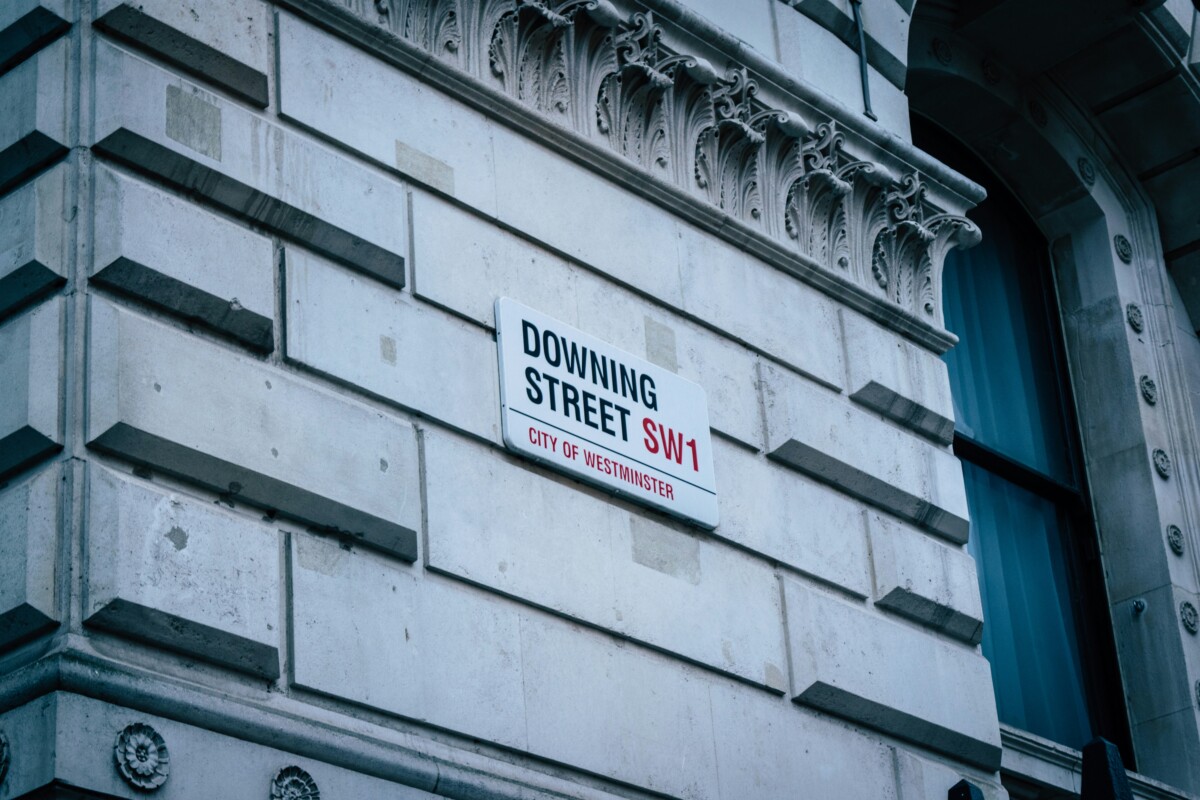
A significant theme in the conversation was the notion of trust and transparency in the sustainability movement. Labour’s new Prime Minister, Keir Starmer, recently addressed this issue, stating,

“The fight for trust is the battle that defines our age.”

Josh echoed this sentiment, emphasising the pervasive issue of greenwashing at the macro level. He noted that the sustainability agenda itself sometimes engages in greenwashing by failing to communicate the radical changes necessary and instead promoting incremental adjustments that maintain the status quo.

“The lack of acknowledgement of how systemic the change needs to be might be your biggest challenge as the anti-greenwashing charter,” Josh pointed out. The Anti-Greenwash Charter aims to combat misleading claims and promote genuine sustainability efforts. Josh supports this initiative, believing it’s crucial to hold companies accountable and ensure that their sustainability claims are backed by real, impactful actions.


Political Landscape and Green Policies

The discussion also delved into the implications of Labour’s recent victory in the UK elections for the green agenda. Josh expressed cautious optimism about the potential for meaningful progress under the new government. He highlighted the critical role of GB Energy, an initiative aimed at catalysing private finance into the energy transition and supporting local government in developing renewable energy projects.

Josh underscored the importance of planning reforms to facilitate the growth of onshore wind and solar projects. “Removing the de facto ban on onshore wind is such a relief… If we’re going to get anywhere near the commitment of 90% renewable energy by 2030, we need a lot of onshore wind,” he said.

Despite the optimistic outlook, Josh acknowledged the significant challenges ahead. He pointed out the lack of immediate personal impact as a barrier to prioritising sustainability in political decisions.

“Although everyone acknowledges the state of climate change and what needs to happen on a very high level, when it comes down to kind of an individual day-to-day… we are terrible at actually making a decision that sort of disadvantages us now in a way that advantages us in the long term.”


The Role of Critical Mass for Sustainability

Josh founded Critical Mass for Sustainability with a clear mission: to identify and leverage critical mass points that can catalyse widespread adoption of sustainable practices across various sectors. The organisation focuses on proving that sustainability works not only for the environment but also for social and economic fronts.

“Whatever proves so unequivocally that sustainability works on all environmental, social, and economic fronts… that’s what we need to aim for,” Josh explained. By demonstrating the tangible benefits of sustainability, Critical Mass for Sustainability aims to overcome resistance and foster broader acceptance of sustainable development.


Challenges and the Path Forward

Despite the progress made, Josh discussed the significant challenges that remain. He highlighted the need for better regulation and scrutiny of transition plans to ensure meaningful progress towards sustainability goals.

“We need a way of ensuring companies put the plans in place that they need and actually move along those trajectories,” he said.

Josh also emphasised the importance of embedding sustainability in all aspects of life, from education to healthcare. He believes that systemic change is necessary to align policies and practices with the Paris Agreement and Sustainable Development Goals.

One of the critical issues discussed was the role of transition plans and their enforcement. Josh pointed out that while the legislation requiring companies to disclose their transition plans is a positive step, the real challenge lies in ensuring these plans are scrutinised and implemented effectively. “Are there enough people there to properly regulate this, to properly scrutinise transition plans?” he asked.


A Call to Action

The conversation with Josh underscored the complexity of achieving sustainability at a systemic level. His insights highlight the need for bold, interconnected policies that address the environmental, social, and economic dimensions of sustainability. Josh’s vision for Critical Mass for Sustainability and his call for radical transparency and systemic change resonate as crucial steps towards a more sustainable future.

As the UK navigates its political landscape, the efforts of leaders like Josh will be instrumental in driving the necessary changes to meet global sustainability targets. His emphasis on trust, transparency, and radical change serves as a powerful reminder that true sustainability requires more than just incremental adjustments – it demands a fundamental shift in how we approach and implement sustainable practices.

Sponsored by...


truMRK: Sustainability Reports and Communications You Can Trust


👉 Learn how truMRK helps organisations strengthen the credibility of their reporting and communications.

Want to be a guest on our show?

Contact Us.

The Responsible Edge Podcast
Queensgate House
48 Queen Street
Exeter
Devon
EX4 3SR

Join 2,500+ Leaders.

Exploring how to build trust, lead responsibly, and grow with integrity. Get the latest episodes and exclusive insights direct to your inbox.

  • This field is for validation purposes and should be left unchanged.

© 2026. The Responsible Edge Podcast. All rights reserved. The Responsible Edge Podcast® is a registered trademark.

Sponsored by truMRK

© 2026. The Responsible Edge Podcast

A Call to Arms: Leading the Charge in Advertising for Good

Episode 24 | 24.06.2024

A Call to Arms: Leading the Charge in Advertising for Good

This week, we sat down with Thomas Kolster, founder of Goodvertising Agency and author of “Goodvertising” and “The Hero Trap.” Thomas shares his insights on the evolving landscape of advertising and its potential to drive positive change. He delves into the challenges of balancing consumer engagement with sustainability, emphasising the need for transparency and accountability in the industry.

Listen to the full podcast episode on YouTube, Spotify, and Apple Podcasts.

The Evolution of Goodvertising

Thomas Kolster is a pioneer in the field where marketing, business, and sustainability intersect. With his first book, “Goodvertising,” he popularised the term to describe advertising that delivers positive environmental or societal benefits. His second book, “The Hero Trap,” warns of a post-purpose market, where people no longer buy into your values or your “why,” but rather who you can help them become.

Thomas’s journey began on a small island in the Baltic Sea, where he witnessed firsthand the collapse of the local fishing industry. This early experience shaped his understanding of the fragile relationship between industry and nature. However, it was the 2009 climate summit in Copenhagen that catalysed his career in sustainable advertising. Disappointed by the lack of action from world leaders, Thomas decided to take matters into his own hands.

“I experienced what can happen when we can’t just take nature for granted and the services that nature provides to us,” Thomas recalls. “That’s actually where my journey started.”


A New Kind of Leadership

Thomas is vocal about the need for the advertising industry to grow up and take its responsibility seriously. He believes that the industry has significant power to drive GDP growth but also has a negative side effect on overconsumption and environmental degradation. For Thomas, the solution lies in redefining leadership within the industry.

“We don’t really have any responsibility per se, you know we can’t really… And so that’s disappointing,” Kolster laments. “We need to take a much more human-centric approach to this. We know people want to live sustainably, is it really that difficult to help them on that journey?”

Kolster criticises the industry’s tendency to chase the next trend without establishing a long-term vision. He argues that brands need to focus on offering sustainable choices and showing real leadership.

“The industry’s inability to create any sort of long-term vision is disappointing for an industry that is creative, that talks about leadership, that talks about purpose,”


The Role of Advertising in Overconsumption

One of the central themes of our conversation was the inherent conflict between advertising and sustainability. At its core, advertising aims to stimulate consumption, which often leads to environmental harm. Thomas acknowledges this paradox and urges the industry to rethink its approach.

“I don’t think we as an industry have ever had such impactful weaponry at our disposal to target people with,”

Thomas points out. “We need to redesign how we advertise. For every decision we make, we should think like a public service channel: What’s best for society? What’s best for our children?”

Thomas emphasises the need for the industry to set guardrails and take proactive steps to reduce its negative impact. He calls for a shift away from harmful practices like excessive promotions and misleading sustainability claims. “There are so many things we could just say no to. It’s not that we cannot take leadership on that stuff, and that’s what pisses me off the most.”


Digital Advertising and Environmental Impact

As digital advertising continues to grow, so does its environmental footprint. Thomas highlights the importance of addressing the carbon footprint of digital media and the need for the industry to take a stand on this issue.

“The impact of digital advertising… it’s one of the more growing media types in terms of how people actually spend their media money,” Thomas explains. “Finally, I do see some discussions around carbon footprint, which is amazing in our industry. But again, we need to put up guardrails and start raising this cute little Lion Cub in a sensible manner.”

Thomas stresses the importance of creating a positive digital environment that minimises harm to the planet. He calls for a unified global approach to regulate and guide the use of emerging technologies like AI in advertising.


Optimism and Realism

Despite the challenges, Thomas maintains a cautiously optimistic outlook. He believes that the advertising industry has the potential to lead meaningful change if it embraces a more responsible and sustainable approach.

“I think as a creative person, you need to be inherently optimistic. You need to be able to envision a future and set forward a vision and a direction to which you wanna move and can move,” Thomas says. “But let’s be honest, we are right now in a capitalist system that seems to have a built-in inability to deal with long-term changes.”

Thomas calls on young advertisers to remain bold and persistent in their efforts to drive positive change.

“If you believe in something, keep fighting for it, because there’s other people who are gonna believe it as well. And I’m absolutely sure that if you’re young, creative, and you do passionate work in this space, it’s gonna inspire other folks.”


Conclusion

Thomas’s insights highlight the urgent need for the advertising industry to reevaluate its role and responsibilities. By adopting a more sustainable and human-centric approach, the industry can leverage its considerable influence to drive positive change. As Kolster aptly puts it, “The least we can do as an industry is to offer people sensible green choices.”

For more insights from Thomas Kolster and to explore how the advertising industry can lead the charge for good, tune in to the latest episode of The Responsible Edge Podcast.

Sponsored by...


truMRK: Sustainability Reports and Communications You Can Trust


👉 Learn how truMRK helps organisations strengthen the credibility of their reporting and communications.

Want to be a guest on our show?

Contact Us.

The Responsible Edge Podcast
Queensgate House
48 Queen Street
Exeter
Devon
EX4 3SR

Join 2,500+ Leaders.

Exploring how to build trust, lead responsibly, and grow with integrity. Get the latest episodes and exclusive insights direct to your inbox.

  • This field is for validation purposes and should be left unchanged.

© 2026. The Responsible Edge Podcast. All rights reserved. The Responsible Edge Podcast® is a registered trademark.

Sponsored by truMRK

© 2026. The Responsible Edge Podcast

A Closer Look at PR: Are the Days of Deception Over?

Episode 23 | 18.06.2024

A Closer Look at PR: Are the Days of Deception Over?

This week, we sat down with Aisling Connaughton, co-founder & sustainability solutionist at Cyd Connects, discusses the evolving role of PR in ethical business practices. Aisling highlights how PR has historically masked unethical practices but now has the potential to foster transparency and trust. She shares insights on stakeholder engagement, the importance of sustainability frameworks like B Corp, and how businesses can balance profitability with ethical responsibility.

Listen to the full podcast episode on YouTube, Spotify, and Apple Podcasts.

Aisling’s journey from the beauty industry to sustainability consultancy provides a unique perspective on the evolution of greenwashing. “I spent years working in the beauty industry… where greenwashing was rife,” Aisling recalls. This firsthand experience underscored the necessity of genuine sustainability practices, as she transitioned from traditional PR roles to becoming a vocal advocate for ethical business.

Greenwashing, a term that only entered the dictionary in 2019, refers to the practice of conveying a false impression or providing misleading information about how a company’s products are more environmentally sound. Aisling’s narrative sheds light on how greenwashing can often be a subtle and insidious challenge. For instance, she describes how beauty brands would claim, “this product hasn’t been tested on animals,” while neglecting to mention that the individual ingredients had been.


The Role of PR in Ethical Business

The conversation explores the critical role of PR in shaping and maintaining a company’s ethical stance. Aisling highlights the dual-edged nature of PR: while it can be used to mask unethical practices, it also has the power to foster transparency and trust.

“Brands don’t have anywhere to hide,”

Aisling asserts, emphasising the accountability that modern communication channels impose on companies.

Transparency is paramount. As Aisling notes, “It’s around being transparent… you have to walk this middle line. You need to have a leadership position.” This involves not only avoiding deceptive practices but actively engaging with stakeholders to build a credible narrative around sustainability.


Stakeholder Engagement and ESG

A significant portion of the discussion is dedicated to the importance of stakeholder engagement in developing effective ESG (Environmental, Social, and Governance) strategies. Aisling explains,

“It’s about mapping out who your stakeholders in your business… and how are they engaged in your business.”

This approach ensures that all voices are heard and that the company’s actions align with its ethical commitments.

Engaging stakeholders is not merely about communication; it’s about genuine interaction and feedback. Aisling elaborates, “If you listen to your customers and hear what they have to say… hearing from your customers firsthand is really key in taking it on board.” This interaction helps companies not only to identify areas of improvement but also to educate their audience about the complexities of sustainability


Addressing the Challenges of Greenwashing

One of the most compelling parts of the episode is the discussion on the practical challenges and risks associated with greenwashing. Aisling acknowledges that while some companies engage in greenwashing with malicious intent, others do so inadvertently.

“Some businesses are really trying to do the right thing and accidentally greenwash,”

she points out. This highlights the importance of continuous education and vigilance in ethical business practices.

Aisling emphasises the need for businesses to stay informed and adaptable. “Sustainability is like tech, it’s constantly moving… what you were doing yesterday is not good enough tomorrow,” she states. This dynamic nature of sustainability requires businesses to be proactive and forward-thinking.


The Future of Ethical Business

Looking ahead, Aisling is optimistic about the potential for businesses to evolve and embrace ethical practices. She highlights the role of frameworks like B Corp, which require companies to commit legally to balancing profit with purpose. “That’s why I’m such a fan of B Corp… it’s about moving your business from a shareholder model to a stakeholder model,” Aisling explains.

This shift is not just about compliance but about fundamentally rethinking the purpose of business. Aisling shares her belief that money can be a force for good: “We need to figure out how we all make money and participate in this economy and do good with it instead of bad.”


Personal Reflections and Advice

The episode concludes with Aisling sharing personal reflections and advice for aspiring professionals. She encourages listeners to trust their instincts and not to be afraid of change.

“Our skills are so transferable… there’s a lot more opportunity out there than you realise,”

Aisling advises. This empowerment narrative is particularly resonant, reminding us that ethical business is not just a professional endeavor but a personal journey.

In essence, this episode of “The Responsible Edge” podcast with Aisling Connaughton offers a profound exploration of the challenges and opportunities in ethical business practices. From tackling greenwashing to engaging stakeholders and embracing continuous improvement, the insights shared provide a roadmap for businesses committed to making a positive impact.

Sponsored by...


truMRK: Sustainability Reports and Communications You Can Trust


👉 Learn how truMRK helps organisations strengthen the credibility of their reporting and communications.

Want to be a guest on our show?

Contact Us.

The Responsible Edge Podcast
Queensgate House
48 Queen Street
Exeter
Devon
EX4 3SR

Join 2,500+ Leaders.

Exploring how to build trust, lead responsibly, and grow with integrity. Get the latest episodes and exclusive insights direct to your inbox.

  • This field is for validation purposes and should be left unchanged.

© 2026. The Responsible Edge Podcast. All rights reserved. The Responsible Edge Podcast® is a registered trademark.

Sponsored by truMRK

© 2026. The Responsible Edge Podcast

Can Marketing Be Ethical? The Uncomfortable Reality

Episode 22 | 10.06.2024

Can Marketing Be Ethical? The Uncomfortable Reality

This week Charlie Martin sat down with Neil Wilkins, founder of The Mindful Collective and Managing Director of Viper Marketing, to explore a provocative question: Can marketing truly be ethical? With over 35 years of experience, Neil offered a nuanced perspective on the challenges and opportunities in aligning marketing practices with ethical principles.

Listen to the full podcast episode on YouTube, Spotify, and Apple Podcasts.

Neil Wilkins has witnessed the transformation of marketing from its early days to the present, where sustainability and ethical considerations are increasingly at the forefront. “I can remember marketing pre-internet, pre-social media, and now we’re into a whole new realm of marketing with sustainability, climate crisis, AI, and the metaverse,” he reflected. This shift has necessitated a reevaluation of marketing strategies to meet evolving consumer expectations and societal demands.


The Ethical Dilemma

One of the core topics discussed was the inherent tension in marketing: the drive to sell versus the commitment to ethical practices. Neil candidly acknowledged this challenge, stating,

“It is an uncomfortable truth. The vast majority of people that we either work for or work with are still working to the old model.”

He emphasised that many businesses are yet to fully embrace the shift towards value-driven, purpose-led marketing, despite the clear benefits it offers.


Aligning Brand Mission with Marketing

Neil highlighted the importance of aligning a brand’s mission with its marketing efforts to build authenticity and trust.

“When your marketing strategies are clearly aligned with your core values, they speak more authentically to your audience, building a stronger emotional connection,”

he explained. This alignment not only enhances credibility but also fosters deeper, more meaningful relationships with customers.


Transparency and Authenticity

Transparency is crucial in fostering trust. Neil argued that brands must be open about their practices, even when they fall short of perfection. “It’s about just this open honesty that nothing ever was perfect. We need to be proud of the fact that we’re on a journey,” he said. He advocated for sharing progress publicly to build credibility and invite customer collaboration.


Storytelling: The Customer as the Hero

Effective storytelling places the customer at the center, making them the hero of the narrative. Neil advised, “The stories they’re telling, the way they position their products, it feels like they really have listened.” He also introduced the “rule of thirds” in storytelling: one-third personal, one-third pointing to valuable content, and one-third promoting the brand.


Practical Steps for Ethical Marketing

Neil provided actionable strategies for adopting ethical marketing practices:

Documenting Impact: Keep a portfolio of incremental changes to track progress and build confidence.

Third-Party Verification: Use tangible, verified evidence to support claims and avoid greenwashing. “Tangible, verified evidence is the absolute key to being authentic and properly trustworthy,” he stated.


Building Intimate Customer Relationships

Moving away from transactional marketing to building intimate, collaborative relationships with customers is essential. Neil highlighted that this shift requires marketers to be vulnerable and open to feedback. “We need to move away from marketing being a monologue to being much more collaborative,” he emphasised.

Neil cited examples of brands excelling in mission-driven marketing, including Patagonia and Marks & Spencer. He also mentioned startups like bamboo clothing brands that are purpose-led from inception, serving as models for other businesses.


Advice for Aspiring Marketers

For junior marketers, Neil offered this advice:

“Document and put into a portfolio every little incremental piece of value that you add.”

By focusing on small, impactful changes, marketers can build a track record of making a positive impact and foster confidence in their ethical practices.

Neil Wilkins’ insights provide a roadmap for navigating the complexities of ethical marketing. By aligning marketing strategies with core missions, embracing transparency, and fostering genuine customer relationships, businesses can build trust and drive sustainable growth. The conversation underscores that while the journey towards ethical marketing is challenging, it is both necessary and rewarding.

Sponsored by...


truMRK: Sustainability Reports and Communications You Can Trust


👉 Learn how truMRK helps organisations strengthen the credibility of their reporting and communications.

Want to be a guest on our show?

Contact Us.

The Responsible Edge Podcast
Queensgate House
48 Queen Street
Exeter
Devon
EX4 3SR

Join 2,500+ Leaders.

Exploring how to build trust, lead responsibly, and grow with integrity. Get the latest episodes and exclusive insights direct to your inbox.

  • This field is for validation purposes and should be left unchanged.

© 2026. The Responsible Edge Podcast. All rights reserved. The Responsible Edge Podcast® is a registered trademark.

Sponsored by truMRK

© 2026. The Responsible Edge Podcast