From Fast Furniture to Forever Pieces: Reimagining Interiors Through Sustainability and Storytelling

Listen to the full podcast episode on YouTube, Spotify, and Apple Podcasts.
Their journey through design—spanning from childhood memories of carefully curated living rooms to pioneering work with The Body Shop and British standards committees—showcases a vital transition in the sector. At the core of the conversation? The need to redefine luxury, rethink material value, and resist the fast-paced consumerism that dominates the interiors industry.
But this wasn’t just a nostalgic stroll. Chloe and Matt laid out a tangible, exciting framework for the future—one that makes sustainability accessible, desirable, and even profitable.
🪑 The Case for Second-Hand Chic
If there’s one myth Matt and Chloe are keen to bust, it’s this: sustainable design isn’t shabby. Gone are the days of scratchy hemp sofas and mint-scented recycled toothbrush countertops.
“You wouldn’t be able to tell which ones are sustainable and which ones are not,” said Matt. “For a long time, you could… but now it’s getting sophisticated.”
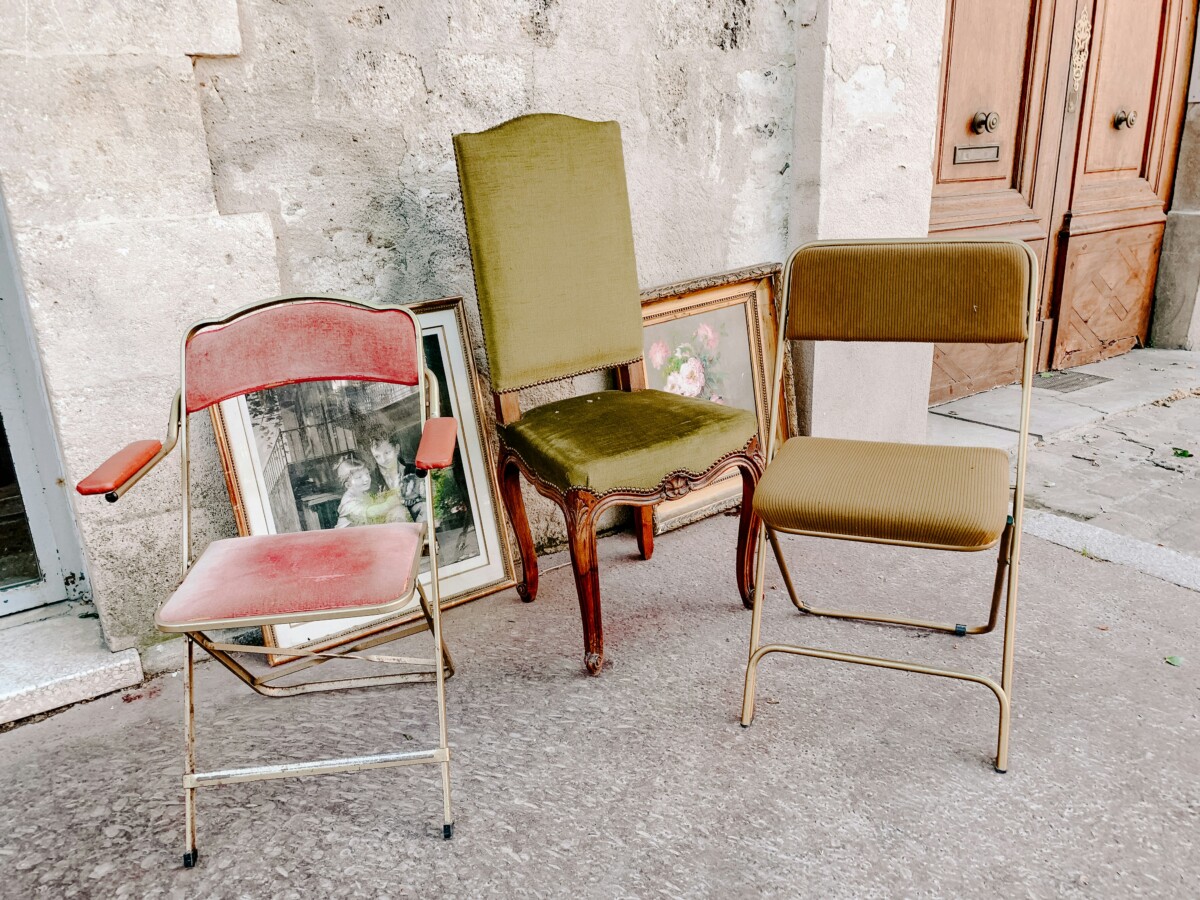
In today’s high-end interiors, second-hand doesn’t mean second-best. With the right approach, it becomes a storytelling tool, a way to connect clients with a space that’s rich in meaning and light on the planet.
Matt’s approach?
✅ Reupholster existing furniture with natural fillings
✅ Use an Owner & Maintenance (O&M) manual to ensure longevity
✅ Highlight resale potential to clients (“buy better, buy less”)
📦 Design with Purpose, Not Just Purchase
As Chloe puts it:
“We are fixated on this ownership. Not only are we fixated on new, we’re fixated on owning things.”
The episode spotlights an important design pivot: shifting from a consumption-driven model to a sharing and service economy. Whether it’s renting pieces to follow a trend, rethinking furniture as a service, or investing in timeless designs, there’s real power in shifting mindsets before shifting materials.
🔁 Circularity isn’t just about materials—it’s about thinking.
🔍 Eleven Ways to Rethink Sustainability
In her book Sustainable Interior Design, Chloe lays out eleven focused approaches that interior designers can use to bring sustainability into their practice. From reuse and vegan design to ethical business and regenerative principles, the idea is simple: you don’t need to do everything, but you do need to start somewhere.
“Pick a path. Focus on one thing. You’ll pick up others as you go.”
Some of her pathways include:
-
♻️ Reuse & refurbishment: Keeping what already exists in use
-
🌿 Biophilic & healthy building: Creating spaces that support physical and emotional wellbeing
-
🛠️ Ethical supply chains: Demanding transparency and accountability from upstream partners
-
🌱 Regenerative design: Going beyond “less bad” to create net-positive impact
💼 Profitability vs Sustainability? Or Both?
There’s no denying that sustainability takes time. More time to source, more time to research, and more time to educate clients.
So, is it worth it?
Matt thinks so:
“Yes, it might take more of your time… but it provides you with a story that you can tell about the work you’re doing. That’s the value add.”
For commercial clients, storytelling feeds into brand strategy. For residential clients, it’s about emotional durability—having a chair that carries family history instead of a barcode. And for interior designers, these stories build reputation, credibility, and demand.
🧠 Magic Wand Moments
We asked our guests: if you could change one thing about the commercial world instantly, what would it be?
Matt’s wish: Incentivise sustainable behaviour through education and economic mechanisms—think bottle deposit schemes, but for interiors.
Chloe’s wish: For corporate leaders to truly care—to stop waiting for regulation and instead embrace sustainability as an internal drive, not an external demand.
🔮 What’s Next?
As Chloe puts it:
“We’re in a ‘less bad’ place right now, not a regenerative one. But it won’t take too long.”
With design collectives, industry bodies, and designers themselves increasingly joining forces—from Interior Design Declares to BIID’s sustainability resources—the momentum is building.
If interior designers can shift from passive providers to active educators and advocates, the possibilities are endless. As Chloe and Matt showed, there’s space for every designer to have an impact—whether you’re sourcing antique chairs, setting fire safety standards, or simply telling better stories.
Sponsored by...
truMRK: Marketing and Communications You Can Trust
👉 Learn how truMRK helps organisations strengthen the credibility of their marketing and communications.
Want to be a guest on our show?
Contact Us.
The Responsible Edge Podcast
Queensgate House
48 Queen Street
Exeter
Devon
EX4 3SR
Join 2,500+ Subscribers.
New episodes exploring responsible marketing, reporting and communications, straight to your inbox.
© 2026. The Responsible Edge Podcast. All rights reserved. The Responsible Edge Podcast® is a registered trademark.
Sponsored by truMRK
© 2026. The Responsible Edge Podcast