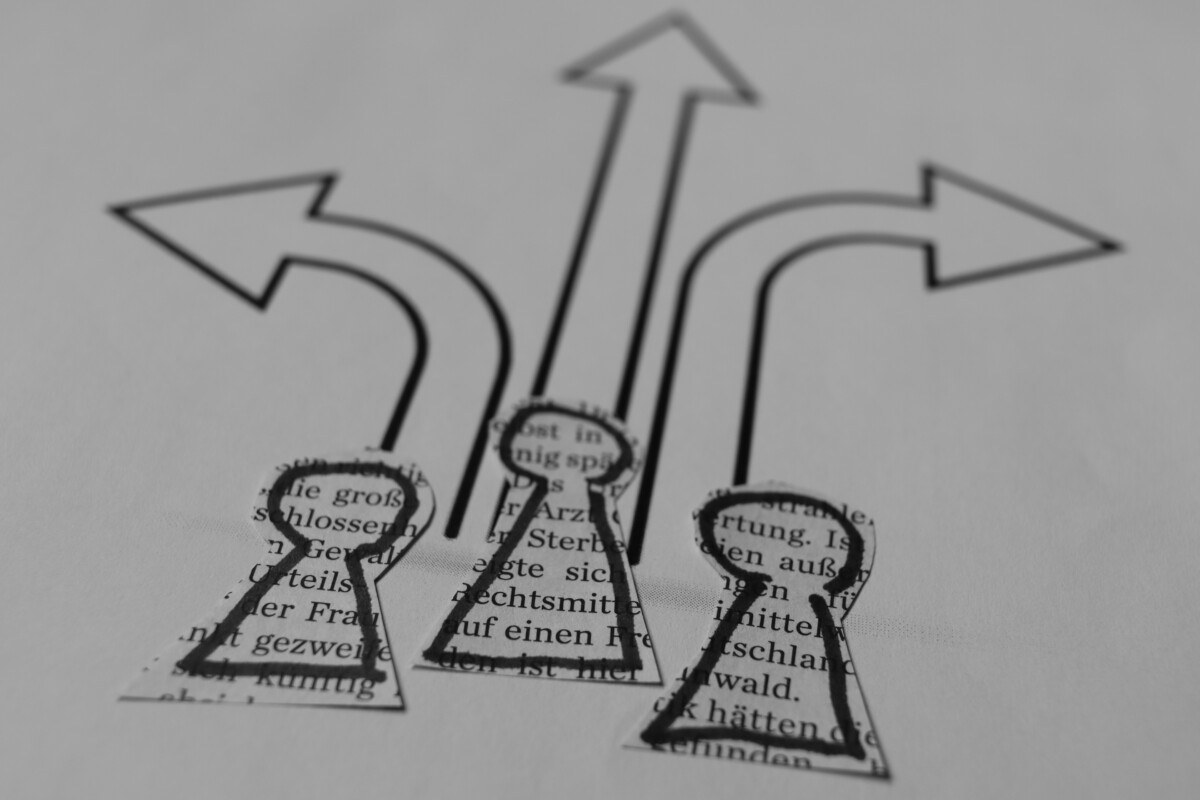
Fashion Talks Big on Sustainability — But Struggles to Deliver

Episode 124 | 8.9.2025

Fashion Talks Big on Sustainability— But Struggles to Deliver

Simon Whitmarsh-Knight, Global Marketing and Sustainability Director at Hyosung, doesn’t call himself a leadership guru. But ask him what really matters and his answer is simple:

Listen to the full podcast episode on YouTube, Spotify, and Apple Podcasts.

“For me, it starts and finishes with people. Think about the effect we have on people, how you make them feel, how we communicate.”

That people-first mindset now shapes how he sees one of fashion’s biggest challenges: the gap between endless sustainability talk and meaningful action.


The Problem: Conferences Without Clarity

Simon’s biggest frustration is how the textile industry handles sustainability.

“We have lots of sustainability conferences… but what I miss sometimes is, okay, what happens next?”

He describes a sector weighed down by acronyms — ESPR, CSRD, CSDDD — while still running on outdated processes. Brands talk about change, but the follow-through is patchy. The result? Confusion, delay, and missed chances to cut waste and emissions.
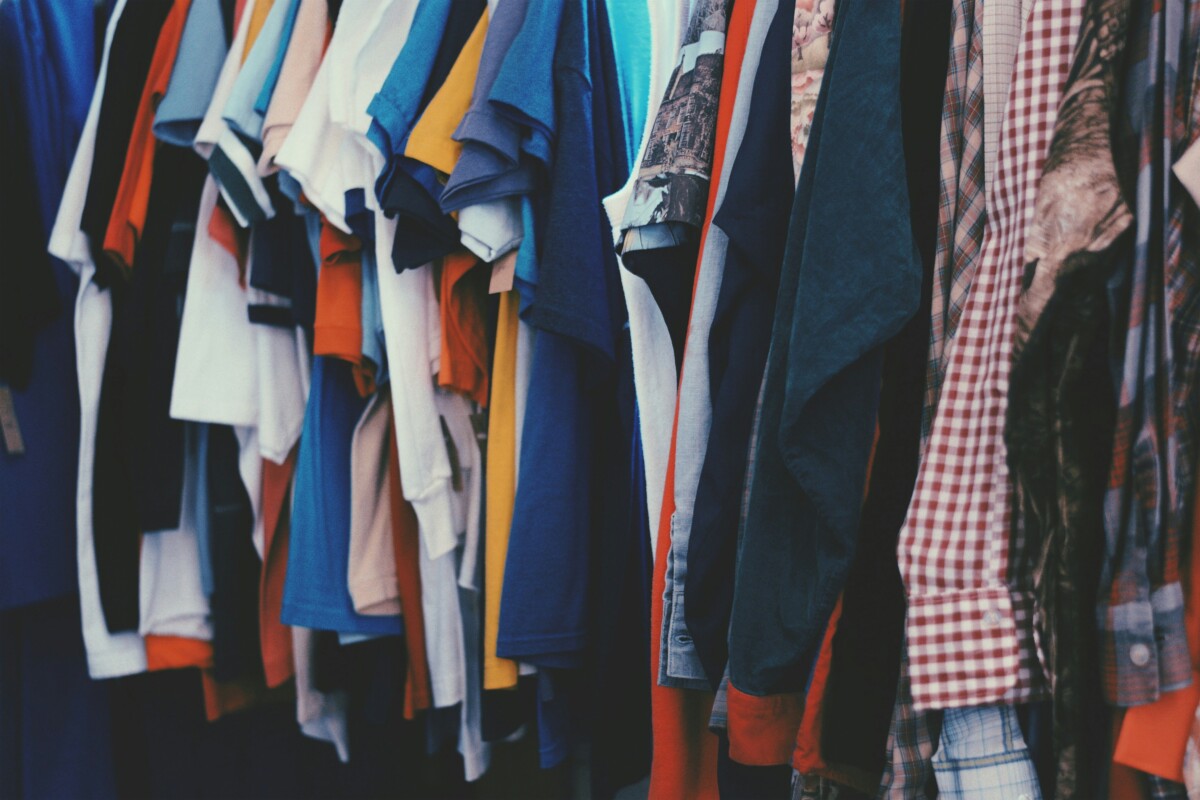
 

The Three Pillars of Change

The article Simon had read before coming on the show, Get Ready for the EU’s Eco-Design and Digital Product Passports, gave him a phrase he couldn’t shake:

“For some reason the words holy trinity came to me… because the article was talking about the three things that are so important in industry: one, regulation; two, digital tools; and three, fibre innovation.”

For clarity, he frames them as three pillars:

  • Regulation gives brands a clear North Star on durability, repairability and recyclability. “There’s nothing more sustainable than a garment that lasts.”

  • Digital Product Passports can cut waste from endless samples and offer traceability. “In a few years, we’ll be looking back saying, gosh, why didn’t we do this sooner?”

  • Fibre Innovation is where Hyosung places its bets: recycled elastane, mono-material garments, and new bio-based fibres from corn and sugar cane. “Either we’ll invent something that will help us with the recycling, or a new product will evolve that delivers the benefits of elastane but supports a more efficient recycling process.”


The Elephant in the Room

Still, Simon doesn’t dodge the harder truth:

“On a personal level, I would find it hard to disagree that we probably have all the things we need right now and don’t need lots of extra stuff.”

He knows innovation won’t solve everything if fast fashion’s appetite for more keeps growing. But his view is pragmatic: “Trying to do something to move us in the right direction is better than nothing and waiting around for a perfect answer.”
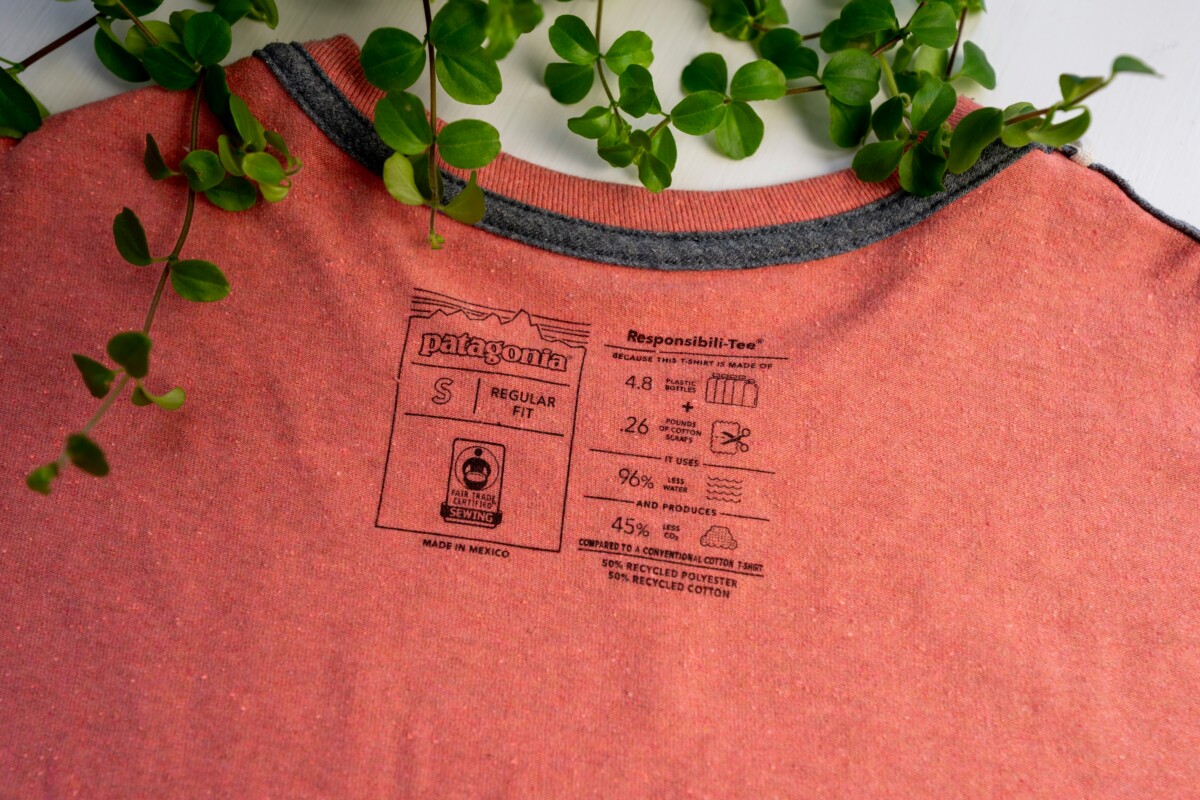
 

The Magic Wand: Clarity

If given the chance to change one thing about the industry overnight, Simon wouldn’t ask for new tech or subsidies. He’d ask for focus.

“We have lots of sustainability conferences, events, discussions, panels… My challenge would be, how can we almost do a meta-analysis of all of those different things? That highlights four or five critical things… and then you’ve got such a powerful platform. For me, clarity of purpose is really important. And that leads to action.”


Leading Responsibly

For Simon, responsible leadership isn’t about perfection. It’s about persistence. Progress over paralysis. Collaboration over competition.

“None of us can do this on our own. The problems are too big. We need to collaborate.”

That, he argues, is the only way to turn fashion’s three pillars into more than words.

Sponsored by:
 

Marketing and Communications You Can Trust


👉 Learn how truMRK helps organisations strengthen the credibility of their marketing and communications.
Climate Plans Without Action Are Just PR: Chris Wright’s Call to Start, Plan and Deliver

Episode 114 | 16.7.2025

Climate Plans Without Action Are Just PR: Chris Wright’s Call to Start, Plan and Deliver

For Chris Wright, the climate crisis isn’t short of ambition — it’s short of delivery. As he puts it, “Eighty percent of FTSE 100 firms have committed to net zero by 2050. But 95% of those haven’t shared a credible transition plan to get there.”

Listen to the full podcast episode on YouTube, Spotify, and Apple Podcasts.

That statistic — borrowed from EY — doesn’t shock him. After a decade at Tesco, where he led energy and engineering across 4,500 sites in five countries, he knows just how hard it is to turn strategy into action. But he also knows it can be done.

At Tesco, he helped them beat their 2025 science-based target ahead of time — not through grand gestures, but through a detailed, iterative plan. “Every store, every year. Forecast, act, measure, iterate,” he says.

“It’s like nudging an oil tanker. But you can nudge it.”


What Makes a Plan Credible

Now at Avison Young, Chris leads sustainability and decarbonisation strategy in the built environment sector — one of the heaviest emitters and slowest movers. The challenge? Many firms are stuck in “paralysis,” staring down the total cost of transformation and freezing in place.

His advice is simple, but pointed:

“Start somewhere. Don’t start with the hardest bit. Start with the wins.”

For Wright, a credible plan doesn’t mean perfect forecasting. It means creating a live blueprint that links ambition to operations and procurement. A plan that can flex — forward, back, sideways — but always points in the same direction. “It becomes the bedrock of decision-making,” he explains.

“Without it, you’re just reacting.”


The Engineer’s Advantage

Chris is, first and foremost, an engineer. But unlike the stereotype, he doesn’t get lost in the technical. He uses it to cut through the noise.

“Good engineering is about why we can do something, not why we can’t,” he says. That mindset has served him well — not just on site, but in boardrooms.

He’s clear that decarbonisation isn’t just an ESG issue. It’s a business planning issue.

“Investors want to know what you’re doing, when, and why. A plan shows them the opportunity.”


Culture Change, One Word at a Time

Despite his systems-level focus, Chris repeatedly comes back to something softer, less tangible: culture.

At Tesco, adding a single word — “planet” — to the company’s purpose statement had a bigger impact than expected.

“It gave people something to rally behind,” he reflects. “It made it real.”

That clarity of purpose now fuels his work in the real estate sector, where leadership often means aligning dozens of players with conflicting incentives. The solution? “Shared vision equals reduced cost,” he says.

“We’re not competing here. We’re all heading the same way.”


Is It Really Possible to Lead Responsibly?

Chris’s answer is unequivocal: yes — but not in the abstract. Responsible leadership, he insists, is not about virtue signalling or mission statements. It’s about discipline, detail, and follow-through.

“Climate action isn’t just about ethics,” he says.

“It’s about sound corporate planning.”

In a world that loves to talk about the destination, Wright is a rare voice focused on the route map — and on making sure the wheels actually turn.

Sponsored by:


Marketing and Communications You Can Trust


👉 Learn how truMRK helps organisations strengthen the credibility of their marketing and communications.
What Paint Teaches Us About Capitalism’s Blind Spots

Episode 112 | 9.7.2025

What Paint Teaches Us About Capitalism’s Blind Spots

For most of us, paint is one of life’s small, simple decisions. Pick a colour, slap it on the wall, job done. But Edward Bulmer sees something far deeper — and far more dangerous — lurking beneath the layers.

Listen to the full podcast episode on YouTube, Spotify, and Apple Podcasts.

Edward isn’t your average paint entrepreneur. He’s a historian by training, an interior designer by trade, and, in his own words, “a slightly reluctant businessman” who stumbled into the world of paint-making when a project at Goodwood Estate opened his eyes to an uncomfortable truth: the stuff we use to coat our walls is, quite literally, covering our homes in plastic.

It was a revelation that sent him down a rabbit hole of history, chemistry, and corporate accountability. What he discovered wasn’t pretty.

“Since the 1950s, we’ve embraced polymer technology — plastic — to make modern paint,” Edward explains.

“It’s marketed as water-based, eco-friendly, safe. But look behind the label, and it’s often anything but.”

His response? Edward Bulmer Natural Paint — a range rooted in what he calls “ancient wisdom and innovative science”, using natural, plant-based ingredients rather than fossil fuel derivatives. But his mission goes beyond tins of paint. It’s a challenge to business as usual itself.


The Problem With Business as Usual

Edward’s views are shaped not only by his career but by his upbringing. Growing up in rural Herefordshire, surrounded by the legacy of his family’s cider business, he saw a model of capitalism that felt personal, connected, and — crucially — fair.

“Family businesses, when they work well, understand that looking after people and place isn’t a bolt-on. It’s part of the DNA,” he reflects.

“But too often, when businesses scale or float, that gets lost. The pursuit of endless profit takes over.”

It’s a sentiment that feels especially relevant in today’s fraught sustainability landscape. With political backlash brewing against ESG, and greenwashing rife, Edward believes transparency is now the most radical act a company can undertake.

His magic wand wish? Simple: ingredient labelling on paint tins.

“We declare what goes into food, cosmetics, cleaning products. Why not paint? If you knew you were coating your home in microplastics and petrochemicals, would you?”


Sustainability Isn’t Optional — It’s Survival

Beyond paint, Edward’s critique runs deeper. He’s blunt about the existential nature of the climate crisis, but also about the cognitive dissonance that allows large swathes of the commercial world to carry on as though business as usual is still an option.

“The climate effects are accelerating. The science is clear. But money still drives decisions,” he says.

“Until business understands that sustainability isn’t a nice-to-have — it’s the key to permanence — we’re stuck.”

It’s not just philosophical. It’s practical. Edward’s business model is a masterclass in solving multiple problems at once: healthy homes, heritage protection, reduced carbon footprint, and, yes, turning a profit.

“Every part of what we do can be profitable. Sustainability isn’t a sacrifice. It’s good business.”


The Optimism We Need (and the Honesty We Lack)

For all the frustrations, Edward isn’t cynical. He’s driven by a quiet, pragmatic optimism — one rooted in action, transparency, and a refusal to sugar-coat the challenges ahead.

“I couldn’t do business any other way now,” he says.

“We all need to start asking harder questions — of the products we buy, the companies we support, the systems we’ve inherited.”

Because whether it’s the paint on our walls, the food on our plates, or the future of our planet — ignorance might be easy, but it’s never harmless.

Sponsored by:


Marketing and Communications You Can Trust


👉 Learn how truMRK helps organisations strengthen the credibility of their marketing and communications.

Decoding Nature’s Balance Sheet: The Race to Quantify Biodiversity in Finance

Episode 105 | 16.6.2025

Decoding Nature’s Balance Sheet: The Race to Quantify Biodiversity in Finance

On this episode of The Responsible Edge, Cédric Olivares-Jirsell, Director of Sustainability Data at Matter, joins the show to unpack one of the most complex and urgent frontiers in ESG: making biodiversity legible—and investable.

Listen to the full podcast episode on YouTube, Spotify, and Apple Podcasts.

Cédric’s path from traditional finance to biodiversity metrics is both a personal and professional evolution. With experience at institutions like Schroders, Russell Investments, and Matter, he brings deep quantitative expertise to an area many in finance still struggle to define, let alone measure.

But what if nature wasn’t just priceless—but priced?


🌿 The Biodiversity Blindspot in Finance

“Historically, the financial sector has treated biodiversity as too complex to touch,” says Cédric. “But the reality is that biodiversity underpins our economy in ways we haven’t even begun to quantify.”

While climate has clearer proxies (like carbon), biodiversity lacks a single, unifying metric. This has made it easy to ignore—and difficult to regulate. That’s changing fast.

Cédric’s team at Matter is responding to frameworks like the Taskforce on Nature-related Financial Disclosures (TNFD) and evolving EU regulation by building datasets and scoring systems to bring biodiversity into the fold of investment decision-making. They’re quantifying exposure, impact, and alignment with global nature goals—all while navigating significant scientific and methodological uncertainty.


📉 From Gut Feel to Data-Driven Risk

Biodiversity loss isn’t just an ecological tragedy—it’s a material financial risk. Supply chains fail when pollinators disappear. Insurance claims rise when wetlands that prevent flooding are paved over. But these systemic risks are rarely captured in quarterly reports.

“We need to move from qualitative guesswork to decision-useful, quantitative data,” Cédric explains. “That means mapping corporate activity to actual biodiversity outcomes.”

Matter’s approach doesn’t just look at direct biodiversity impacts (like deforestation), but also indirect dependencies—such as water use or habitat fragmentation. The result? A far more granular picture of nature risk exposure.


đź§  Complexity Is a Feature, Not a Bug

Cédric is quick to caution against oversimplification.

“You don’t solve biodiversity the same way you solve carbon. It’s not a single figure; it’s a web of interdependencies. But that’s not a reason to give up—it’s a reason to lean in.”

Indeed, Matter’s work reflects a new kind of ESG thinking: one that embraces nuance and uncertainty, rather than papering over it with vanity metrics or green gloss.


🧭 What’s Next? Rethinking Value Itself

When asked what he hopes the industry will look like in 5–10 years, Cédric is clear:

“I hope we’ve moved past the idea that nature is an externality. It’s foundational. And our financial systems need to reflect that.”

That means not just better data—but better decisions. Capital must flow away from extractive business models and toward regenerative ones. That shift is already underway—but tools like Matter’s Natural Capital & Biodiversity Framework will be essential to accelerating it.

Sponsored by:


Marketing and Communications You Can Trust


👉 Learn how truMRK helps organisations strengthen the credibility of their marketing and communications.

Play Your Carbon Right: What Sandwiches Can Teach Us About Behaviour Change

Episode 99 | 25.5.2025

Play Your Carbon Right: What Sandwiches Can Teach Us About Behaviour Change

When Gina Camfield, Head of ESG at Aramark UK & Global Offshore, joined The Responsible Edge, we didn’t expect to be talking about football academies, protein shakes, and card games. But like many paths into sustainability, Gina’s story is one of detours and surprising overlaps—each moment building resilience, shaping perspective, and ultimately leading her to rethink how we influence behaviour at scale.

Listen to the full podcast episode on YouTube, Spotify, and Apple Podcasts.

đź§  From the pitch to the plate

Growing up in a football academy wasn’t just about chasing dreams of sport—it was training in discipline, self-awareness, and what Gina calls “foundational resilience.” That same mindset later fuelled her curiosity around nutrition during injury recovery, eventually setting her on a path from performance nutritionist to ESG leadership.

But what really sets Gina apart is her clarity on a core challenge in sustainable food: knowing what to do doesn’t mean we actually do it.

“There’s a huge gap between intention and behaviour. People say they care—but the label on the sandwich rarely drives their choice.”

Cue the research.


đź§Ş The carbon-labelling study that stopped us in our tracks

Gina joined us to dissect a study in Science Direct that examined whether carbon labels on sandwiches influenced consumer choices. The results were sobering:

  • 69% of people said they valued carbon labels

  • Only 27% said it influenced their purchase

The implication? We’re walking into shops with good intentions, but walking out with a BLT.

Why? The study points to a lack of understanding of carbon labels, information overload, and competing priorities like cost and convenience.

“It’s like giving people a nutrition label in a language they don’t speak—and then expecting them to change their habits.”

This “action gap” isn’t new, but Gina believes it’s fixable—with the right internal tools and a behavioural nudge or two.


♻️ From sticker to system: How Aramark re-engineered food labelling

Here’s where the Rory Sutherland part kicks in.

What if carbon labelling isn’t just a sticker for the consumer, but a lever for chefs?

At Aramark, carbon data is now embedded into recipe systems, allowing teams to analyse high-impact meals and reformulate them at the source—quietly shifting sustainability without asking customers to make heroic choices.

This means:

  • A chef uploads a new dish, and the carbon score auto-generates

  • Recipes can be tweaked behind the scenes to lower carbon impacts

  • Communication is handed over to other chefs, not a corporate team

“Chefs want to hear from chefs. They don’t want someone from corporate coming in telling them to cut beef.”

It’s a brilliantly behavioural move. Aramark doesn’t wait for customers to get fluent in carbon labelling—they engineer better choices upstream and make the sustainable option the easy one.


🧑‍🏫 Playing games, sparking conversations

That doesn’t mean the customer gets ignored. Gina and her team have launched a range of engagement tools, including…

🎮 Play Your Carbon Right – A sandwich-themed take on Play Your Cards Right, where users guess whether a meal is higher or lower in carbon than the last

📱 QR codes at points of sale – Linking to full carbon impact explanations

🥇 “A-Rated Dish of the Day” – Turning carbon labels into something people can aspire to, not just tolerate

“It’s about sparking curiosity, not guilting people into change.”


🪴 The big opportunity? Feeding 250,000 people… better

With Aramark serving over a quarter of a million meals daily in the UK alone, the stakes are high. Around 70% of their carbon footprint comes from food purchasing, especially animal-based ingredients.

That’s why Gina’s work is focused not just on reformulating dishes, but on sourcing regenerative produce, rethinking waste, and supporting smaller, sustainable suppliers across the value chain.

“We’re not perfect. No one is. But the scale of the opportunity in food is massive.”

Her ultimate goal? To embed ESG in every commercial decision by default—so it’s no longer a bolt-on, but a reflex.


✨ Final thought: ESG shouldn’t be exceptional

In her “magic wand” moment, Gina didn’t ask for a shiny new label or global policy breakthrough. She asked for something much simpler:

“I’d want ESG to be factored into every decision—automatically. Not an afterthought. Just part of how things are done.”

In a world of short-term targets and endless KPIs, it’s a radical idea cloaked in pragmatism.

And maybe, just maybe, that’s how change really happens: not with slogans, but with sandwiches.

Sponsored by:


Marketing and Communications You Can Trust


👉 Learn how truMRK helps organisations strengthen the credibility of their marketing and communications.
Why Business Needs to Reimagine Organisational Structures to Solve Sustainability Challenges

Episode 90 | 24.4.2025

Why Business Needs to Reimagine Organisational Structures to Solve Sustainability Challenges

In the latest episode of The Responsible Edge, Laura Hunter joined us to explore how the structures underpinning business are holding back progress on sustainability—and why redesigning them is now urgent.

Listen to the full podcast episode on YouTube, Spotify, and Apple Podcasts.

Laura grew up in the shadow of deindustrialisation. Raised in a coal mining village in South Yorkshire, she witnessed first-hand how progress for some meant devastation for many. That early understanding of inequality and its deep social consequences shaped the trajectory of her career—and the powerful insights she shares today.


The Legacy We Haven’t Escaped: Outdated Organisational Thinking

From the late 19th century onwards, thinkers like Frederick Taylor and Max Weber helped craft the management models still dominating companies today:

  • 📚 Scientific Management: Maximise efficiency by turning organisations into tightly-controlled machines.

  • 🏢 Bureaucratic Structures: Standardise processes, create rigid hierarchies, and define success through productivity and control.

At the time, these ideas revolutionised business. But in today’s world, trying to solve systemic sustainability challenges with “scientific management” principles is like trying to fix a spaceship with Victorian plumbing.

“We’re using outdated ways of working to try and solve challenges that have never been solved before.”

The sustainability issues we face require creativity, imagination, and dynamic thinking—not rigid hierarchy and departmental silos.


Why Compliance Alone Won’t Save Us

Laura is clear: compliance is essential—but it’s not the end goal.

“We can’t compliance our way out of this.”

Organisations have rightly focused on building robust sustainability reporting, frameworks, and compliance mechanisms. But in doing so, many have squeezed out the very things that drive genuine change: innovation, experimentation, and human creativity.

Without making space for new thinking, compliance risks becoming a comfort blanket that lulls organisations into a false sense of progress.


Introducing the ‘Now Work’ Philosophy

Frustrated by outdated structures, Laura founded The Now Work, a new kind of business designed around modern sustainability needs.

Here’s what makes it different:

  • 🌍 2,000-strong global network of sustainability experts across strategy, carbon accounting, creative storytelling, science, and systems thinking.

  • 🚀 Flexible talent models: helping businesses “rent, borrow, or share” sustainability expertise.

  • 🛠️ Built for agility, creativity, and real transformation—not just reporting and box-ticking.

It’s a glimpse into the future of organisational design: porous, flexible, human-centred, and impact-driven.


Rethinking Power: Why Shared Value Networks Matter

Laura also discussed the concept of Shared Value Networks (SVNs)—a radical rethink of how organisations could be structured.

Instead of all decision-making power sitting at the centre, SVNs operate at the edges, connecting companies with external stakeholders: NGOs, educators, citizens, and others. This creates a decentralised web of knowledge, co-creation, and collective intelligence.

Key ideas:

  • ✨ Impact Coordinators: New leadership roles managing the interconnected networks.

  • 🌱 Organic structures, intentionally designed for creativity and adaptability.

  • 🤝 Genuine collaboration with external voices, not just tokenistic advisory boards.

Laura believes models like SVNs can unlock the creativity and stakeholder engagement needed for real systemic change.

“We need space for creativity. We’re not going to solve these challenges by staying rigidly inside traditional structures.”


The Real Risk: Losing the Next Generation

One of Laura’s most powerful warnings? That by focusing too much on compliance, companies risk discouraging the next wave of sustainability talent.

If the sustainability profession becomes seen as purely technical and compliance-led, we will miss out on the creative, passionate innovators needed to lead true transformation.


Laura’s Magic Wand: Tackling Wealth Inequality

If given a magic wand to change one thing in business, Laura’s choice was clear:

“I want businesses to take rising wealth inequality seriously. Without tackling inequality, we won’t build a society capable of creating a better future.”

Business can’t exist in a vacuum. A sustainable economy is impossible without social justice.


Final Thoughts: Building the Businesses We Need

Laura’s message is both a challenge and an opportunity:

  • 🌟 Redesign your structures.

  • 🌟 Build spaces for creativity.

  • 🌟 Connect beyond your walls.

  • 🌟 Tackle social issues, not just environmental ones.

In short: Stop trying to save the world with broken models.

Sponsored by:


Marketing and Communications You Can Trust


👉 Learn how truMRK helps organisations strengthen the credibility of their marketing and communications.